
Ultimate Guide to Planning Your Dream Gap Year Adventure
How to start planning your gap year?
Begin by answering some key questions and brainstorming big picture ideas. Get out a piece of paper and find a place free from distractions to think. Spend at least 15 minutes answering these questions:
Why do you want to take a gap year?
If you could do anything what would you do?
Any places you dream of spending time during your gap year?
Do you have a timeline for when you’d like your gap year to begin & end?
Keep coming back to this brainstorming list for the next few weeks - months. Set aside 5-15 minutes per day to plan your gap year, either by brainstorming, researching opportunities online, or talking to people in your community who might support your idea. Hoping to become fluent in French? Talk to your French teacher. Want to explore the arts more in depth? Ask your art teacher about courses or studios to enhance your skills.

TIP: When researching opportunities online, make note of what specific activities or locations most interest you, in addition to program names and websites. You might find that a semester or year-long program that caught your eye is out of your price range, but you could replicate the parts of the experience that most interested you for a shorter time period or in a different location in a way that aligns with your budget.
Budgeting
Don’t put off thinking about your gap year budget for too long. You may find that you need to spend time working and saving to help fund your dream gap year. Have a conversation with your parents or caregivers about how much, if any, they might be willing to contribute to your gap year fund. Calculate how much you have saved, or how much you might be able to earn between now and when your gap year begins. Set up a spreadsheet with your gap year budget and itemized expense lines based on how you hope to spend your gap time.
6 weeks of Independent Travel in Europe:
Airfare $1,400
Lodging $2,700
Meals $1,300
Activities/Spending Money $1,400
Public Transportation $400
Passport $145
Travel Insurance $190
Total $7,535
2 month sustainability internship in Costa Rica:
Airfare & In-country transportation $750
Program Fee (Includes Accommodation & Meals) $1,400
Spending Money $400
Passport $145
Travel Insurance $120
Immunizations & Personal First Aid Kit $120
Total $2,935
It is possible to have a great gap experience, even incorporating some travel, on a budget. Advance planning can be especially helpful, as that gives you more time to save up for more expensive gap experiences later on. You might consider imbedding some work into your gap experience to continue saving up for a winter or spring experience. Opportunities for international paid work are fairly limited for gap year students, though some gappers might consider applying for a Working Holiday Visa for New Zealand or Australia. Work Away is a great way to travel on a budget by working a set number of hours per week in exchange for room and board.
Staying in hostel dorm rooms is great for budget travel, and also helps in meeting fellow travelers. Cooking your own meals in a hostel kitchen or dining at local markets or street food stalls is often a more budget friendly alternative to eating in expensive restaurants every meal.

For those keen to explore another part of the U.S. you might considering a gap year through an Americorps program such as NCCC, American Conservation Experience, or City Year. A service year is a great opportunity to build practical skills as part of a team engaging in meaningful service, develop leadership abilities, and potentially earn a Segal Education Award that can be used towards higher education expenses.
Destinations
Where you spend your gap year might depend on your goals and aspirations for your year. Are you hoping to become fluent in Spanish or Japanese? Do you want to spend part of your gap year engaging in a marine science internship or volunteer project? Does working at a ski resort and skiing or snowboarding on your days off sound like a dream gap year? Think about how locations relate to your interests and desired experiences when planning your gap year.
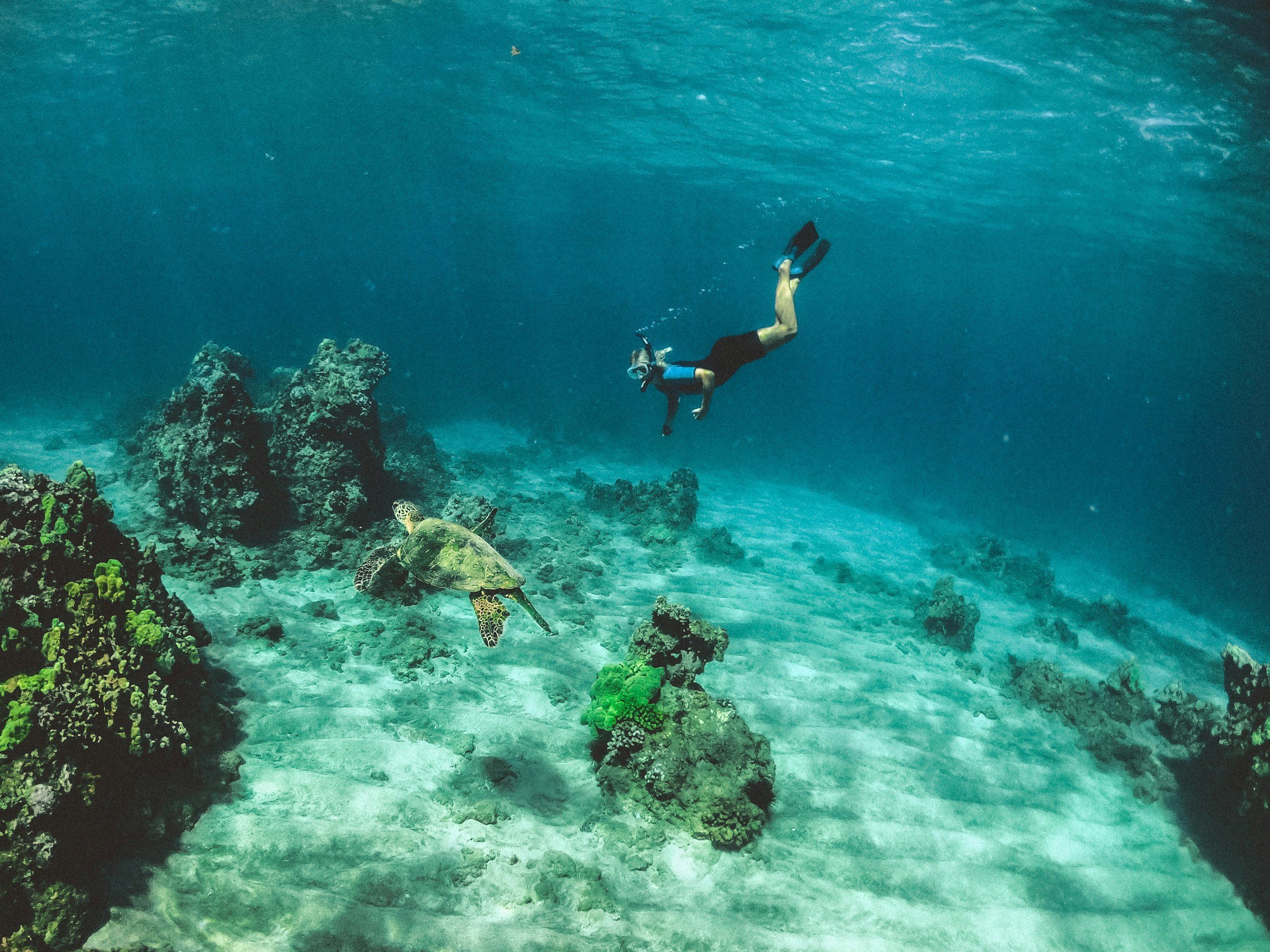
Tip: If you have family or friends that live in another part of the country or abroad, see if it is possible to link your gap year to their location. Having a local connection as a familiar face, emergency contact, or even a free - cheap place to stay can be a huge bonus.
You’ll want to consider the safety of any locations you might travel to. You can look at country profiles on the U.S. Department of State website, and view Traveler’s Health information provided by the CDC. Regardless of where you travel, you should always ensure that you have adequate health insurance and travel insurance to cover you in case of illness or injury during your gap year.
Structure & Support
You’ll want to spend your gap year doing things you enjoy in places that interest you, but you also want to ensure that those places and experiences offer you an appropriate amount of challenge and support. This is key for a successful gap experience. Ask yourself:
How comfortable am I venturing out in the world on my own?
Can I use my voice to be an advocate for myself?
How will I manage stressful situations?
If these questions make you feel anxious, or you feel that you might struggle to advocate for yourself or independently manage stressful situations, then you might opt for a more highly structured and supported experience to begin your gap year. Programs that incorporate a program leader or mentor can be a great start for students who don’t feel ready for an independent experience or would feel more reassured with additional support. You want to feel challenged during your gap year, but not challenged to the point that you become stressed and unable to cope. Talk with your parents or caregivers about what level of structure and support you might need.
Tip: It’s a good idea to begin the gap year with more structure & support and transition into experiences that allow for greater independence as the gap year progresses.
Want more advice on how to plan your dream gap year adventure? Check out the DIY Gap Year Toolkit. It includes: a 64 page workbook with engaging exercises to jumpstart your gap year planning; informative videos on The Foundations of the Gap Year, How to Set Gap Year Goals, Budgeting, Safety, and A Step by Step Guide for How to Launch Your Gap Year; Access to a Gap Year Opportunities List with over 100 different experiences to choose from; and a One-on-One Planning Session to workshop your Gap Year Plan with a professional gap year consultant.
Josie's Semester in Central America
Guest post by gapper Josie, describing her semester in Central America during the fall of 2021
During the fall semester of my gap year I spent two months in Costa Rica and Guatemala. Both countries are equally stunning. Costa Rica was filled with beautiful beaches and incredible wildlife whereas Guatemala held rich culture and gorgeous volcanoes. I was able to learn a lot in both countries. In Costa Rica I was more focused on nature, environmental issues, and wildlife (specifically sea turtles). In Guatemala I took time to learn more about Mayan culture, the history of the country, and spent more time working on my Spanish skills.
Costa Rica
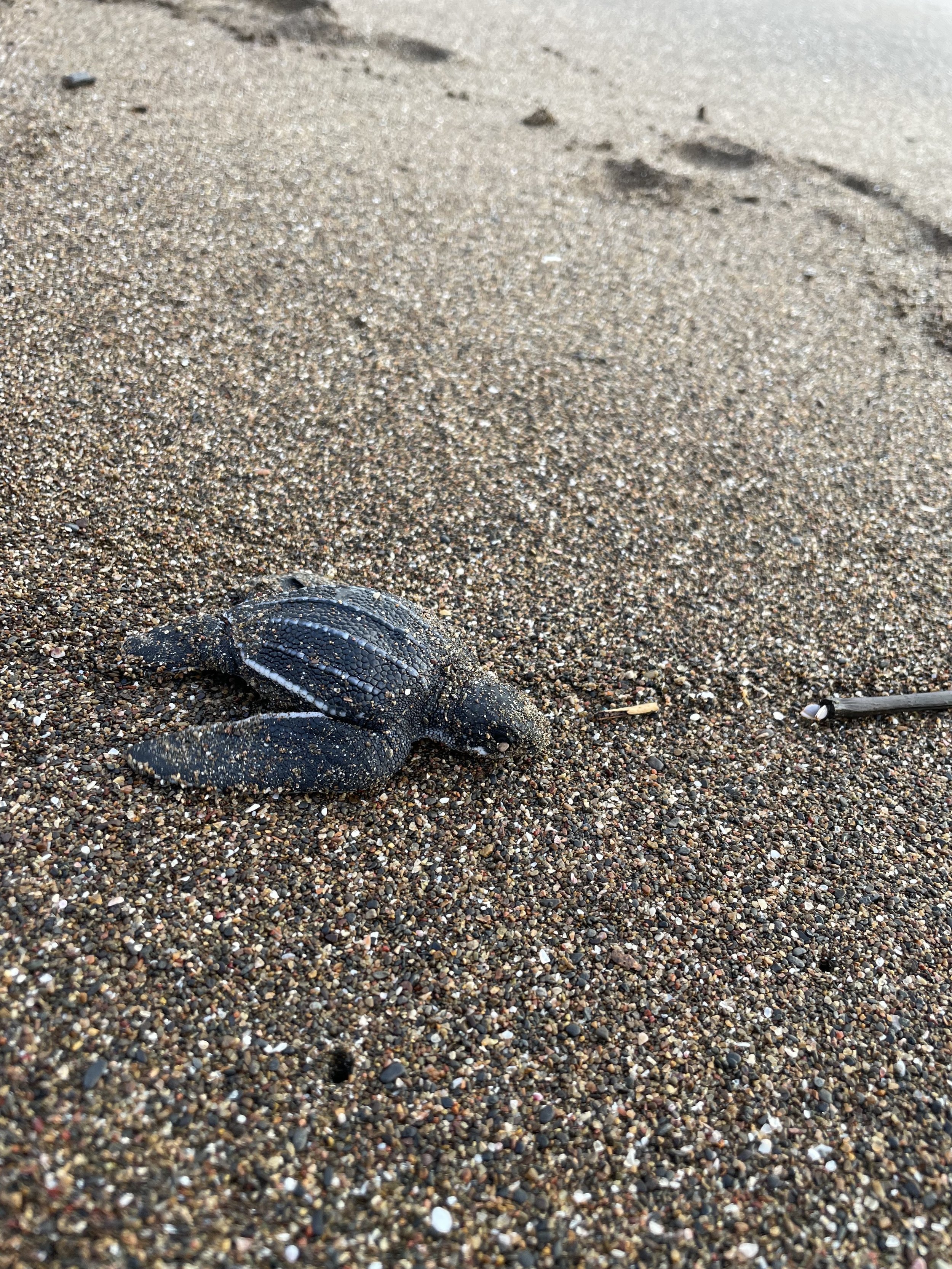
I spent six weeks in Costa Rica moving around the Pacific side of the country. I spent time in Santa Teresa, Montezuma, Samara, and Monteverde. I spent most of my time doing volunteer work (cleaning up microplastics on the beach, working in a recycling center, and working at sea turtle hatcheries). Plastic is a huge issue on the beaches in Costa Rica even though the country itself has moved to start banning all single use plastics. Trash is constantly washing up on the beaches and whenever I participated in beach cleans it was easy to fill up a large bag with plastic within only about fifteen minutes. For me this put into perspective the harsh reality of the materialistic lives that many people, including myself live. Now when I find myself in a grocery store or gas station, I cringe at the hundreds of plastic bottles and the plastic packaging lining the shelves knowing that they could very likely end up washing up in a beautiful place such as Costa Rica. Other than learning about the effects of plastics on the environment and cleaning them up off beaches, I also spent time taking Spanish classes, exploring the towns I was in, and taking in the beautiful landscapes laid out in front of me. Some of my all time favorite experiences in Costa Rica were getting to work up close with sea turtles. I spent time in two different turtle sanctuaries where I was able to help release baby sea turtles into the ocean and watch over the hatcheries. I even got to swim with an adult sea turtle! That is definitely a memory that I will cherish for the rest of my life.
Guatemala

I only spent about two and a half weeks in Guatemala but during that time I was able to have some of the most amazing experiences. In Guatemala I visited Antigua, Lake Atitlan, Flores, and Semuc Champey. Guatemala is the land of volcanoes. There are 37 volcanoes in Guatemala and I even got to hike up one. In my first few days I hiked Acatenango and after a seven hour uphill trek I was met with stunning views of Volcan de Fuego. When I say that this was one of the most amazing things I’ve ever seen I’m not exaggerating even a little bit. It was freezing and windy at our camp on Acatenango and even though the weather sounds miserable, there’s no way to be unhappy when you are sitting on top of one volcano while watching another one erupt every 15-20 minutes.
Throughout the rest of my time in Guatemala I was immersed in beautiful landscapes and an interesting culture. Guatemala holds some of my favorite memories such as swimming in Lake Atitlan at sunset with my friends, watching the sunrise over the volcanoes and Antigua from 12,000 feet up and meeting new people from all around the world. Near the end of my time in Guatemala, I spent five days solo in Antigua where I spent everyday wandering through the ruins and the city. I easily spent five or six hours a day just roaming around the city meeting new people, trying local restaurants and practicing my conversational Spanish skills with the locals.
Both Costa Rica and Guatemala were breathtaking countries and I’m extremely grateful for the time I was able to spend there. I not only learned about the environment, culture, and history but also about myself. One of my biggest goals in taking a gap year was to push myself out of my comfort zone and I would say that I definitely achieved that while I was in Central America. I found myself trying new things and encountering things that normally would have scared me on a daily basis such as snorkeling next to sharks, finding a Boa Constrictor in my room, climbing volcanoes, and much more. I pushed myself to take in every experience no matter how much it freaked me out because that’s the only way I was ever going to learn to find comfort in the uncomfortable experiences. Of course everyday wasn’t perfect, I had days where everything seemed to go wrong or where my mental health took a toll on me but by the end of two months I found myself almost embracing these discomforts. Not everything can be perfect, even when you feel as though you’ve woken up in paradise. Those discomforts and struggles were part of the journey and can’t be ignored when reflecting on my experiences because some of those experiences were just as important as the good ones. I believe that going into my trip to Central America, I had this idea that it could fix some things in my life or that it could fill in the gaps of what I felt as though was missing from my life. In some ways it did offer me relief, I found the importance of being grateful for every day and never taking anything for granted and I felt as though I was truly living everyday. On the other hand, I realized that even the most beautiful places and amazing experiences can’t solve every problem. I will always be grateful for my time in Costa Rica and Guatemala because as my first international travel experience, I feel as though I was able to learn a lot about myself while simultaneously learning about the world.

Antigua, Guatemala

Volcan de Fuego
Josie was the recipient of the 2021 Free to Roam Adventures Counseling Scholarship. Her budget for her two months in Central America was under $6,000. She was able to fund her travels through part-time work during and after high school. The deadline to apply for the 2022 Counseling Scholarship is April 2022.