
10 Awesome, Off-the-Radar Places for Your 2026 Gap Year
Thinking about a gap year but not keen on following the crowd to London or Sydney? That's awesome. The world is huge, and the best adventures often happen where the guidebooks aren't thick yet.
We’re Free to Roam Adventures, and we help people like you plan unforgettable trips that build confidence, skills, and incredible memories. Forget the tourist traps. If you want a 2026 trip that’s unique, affordable, and totally life-changing, check out these 10 amazing spots perfect for first-time adventurers.
1. Guatemala
Think: Ancient Mayan ruins, massive volcanoes, colorful markets, and stunning lakes.
Why it’s great for beginners: It's budget-friendly and well set up for travelers. Lake Atitlán is a great base for meeting people and taking Spanish lessons, while safety infrastructure is robust in popular areas.
Vibe: Vibrant culture, history, and the "next big thing" in Central American travel.

Lake Atitlan
2. The Azores, Portugal
Think: A secret set of nine green islands in the middle of the Atlantic Ocean.
Why it’s great for beginners: It's super safe and easy to get around, with English widely spoken. The focus here is on nature and low-key adventure. You can swim with wild dolphins, see massive waterfalls, and relax in natural hot springs.
Vibe: Eco-adventure, volcanoes, and ocean vibes.
3. Belize
Think: Caribbean vibes, the second-biggest barrier reef in the world, and English is the official language!
Why it’s great for beginners: Because they speak English, communication is a breeze. Travel infrastructure is designed for tourists, whether you're diving the Blue Hole or exploring jungle ruins inland. It’s compact and easy to navigate.
Vibe: Snorkeling, diving, jungle adventures, and English spoken everywhere.
4. Slovenia
Think: A tiny, green, fairytale country squeezed between Italy and Austria.
Why it’s great for beginners: It’s one of Europe’s safest and cleanest countries. It’s small enough that you can see mountains, cities, and the coast in just a couple of weeks. Lake Bled is a must-see, and the capital, Ljubljana, is super charming and easy to navigate.
Vibe: Green nature, castles, and easy travel.
5. Uruguay
Think: A safe, stable country in South America with great beaches, cool cities, and a relaxed vibe.
Why it’s great for beginners: Uruguay is often called the "Switzerland of the South" due to its safety and stability. It's a great entry point to the continent, offering charming towns like Colonia del Sacramento and fun beach areas without the crowds of Brazil or Argentina. Spend mornings studying Spanish at a language institute and afternoons lounging on the playa.
Vibe: Safe, stable, relaxed, and great beaches.
6. The Philippines (Palawan region)
Think: The bluest water you’ve ever seen. This is paradise, basically.
Why it’s great for beginners: The locals are incredibly friendly, and nearly everyone speaks English. The El Nido and Coron areas have amazing island-hopping tours where all logistics are handled for you. It's a perfect place to chill or dedicate your time to some marine volunteering.
Vibe: Snorkeling, kayaking, and pure paradise beaches.
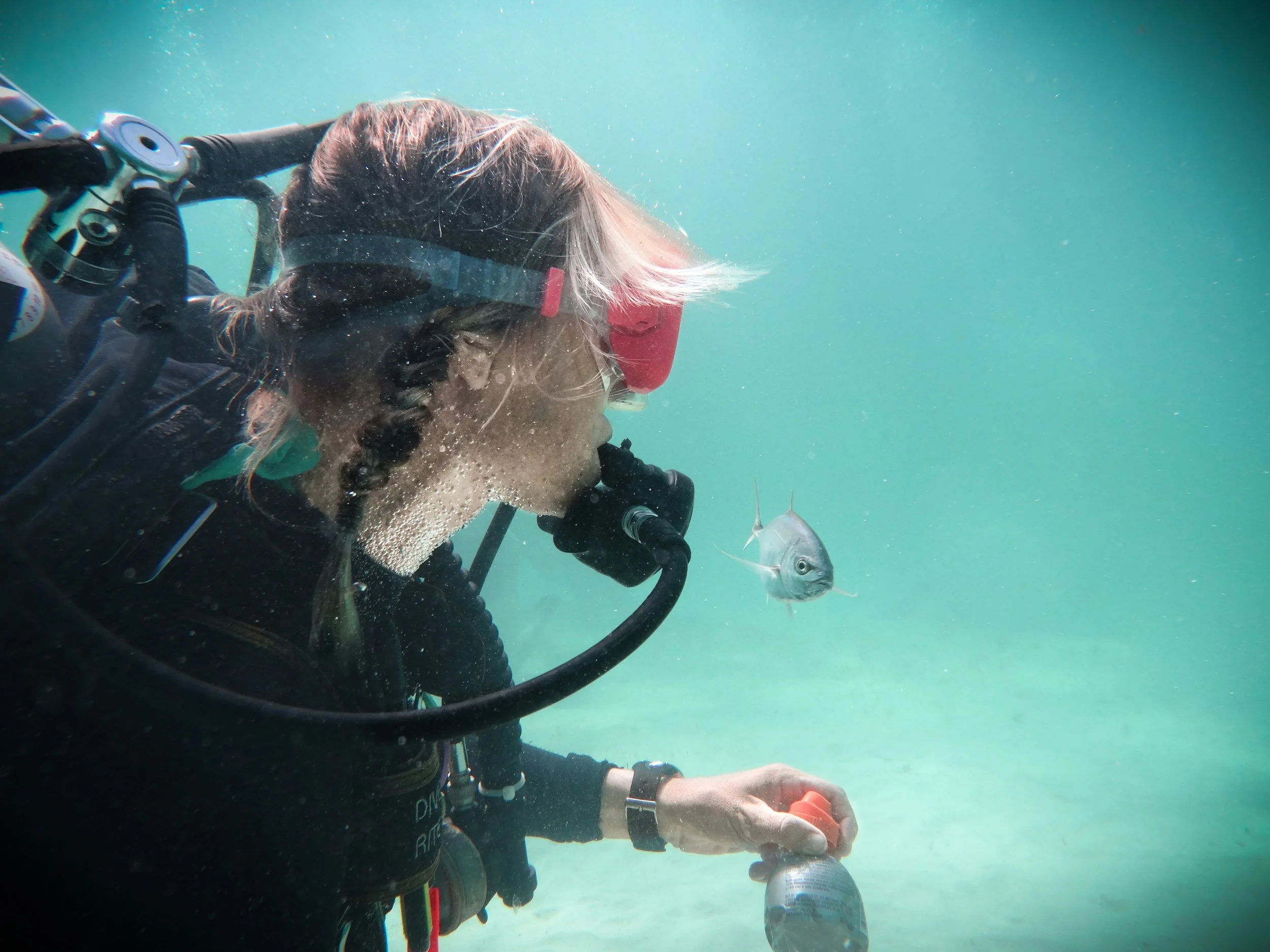
Get SCUBA certified and volunteer with important marine research or ocean clean up efforts
7. Bolivia
Think: A vibrant, high-altitude country that feels totally different from anywhere else.
Why it’s great for beginners: It's super cheap. The famous Salar de Uyuni (salt flats) tour is a guided trip where you meet loads of other travelers. It’s a great place to test your budgeting skills and see landscapes that look like another planet. Travel as a solo backpacker, or join a structured group program for on-the-ground support and peace of mind.
Vibe: Budget-friendly, unique landscapes, and colorful culture.
8. Montenegro
Think: Croatia’s cooler, less crowded neighbor. Massive mountains that drop right into the sea.
Why it’s great for beginners: The Bay of Kotor is stunning and very easy to manage. It’s small, affordable, and easy to hop a bus from place to place. Great hiking without the intense crowds of the French Alps.
Vibe: Coastal beauty, hiking, and Mediterranean chill.
9. Scotland's Outer Hebrides
Think: Wild, remote Scottish islands with incredible beaches (yes, really!), ancient history, and cozy pubs.
Why it’s great for beginners: It's part of the UK, so logistics are easy, and English is standard. The focus is on dramatic nature, friendly locals, and a safe, gentle pace of travel. You can road trip or cycle the islands easily.
Vibe: Cozy, dramatic landscapes, hiking, and a touch of magic.
10. Namibia
Think: Mind-blowing desert landscapes, huge sand dunes, and incredible wildlife safaris.
Why it’s great for beginners: It's considered very safe and politically stable. Travel is often done via organized, self-drive safaris or small group tours, making logistics easy for first-timers who want an epic road trip adventure.
Vibe: Epic road trips, stargazing, and unique desert wildlife

Parade of elephants in Namibia
Taking a gap year is a big step, but it doesn't have to be stressful. That’s where we come in.
At Free to Roam Adventures, we create custom gap-year plans that match your goals and give you the support you need.
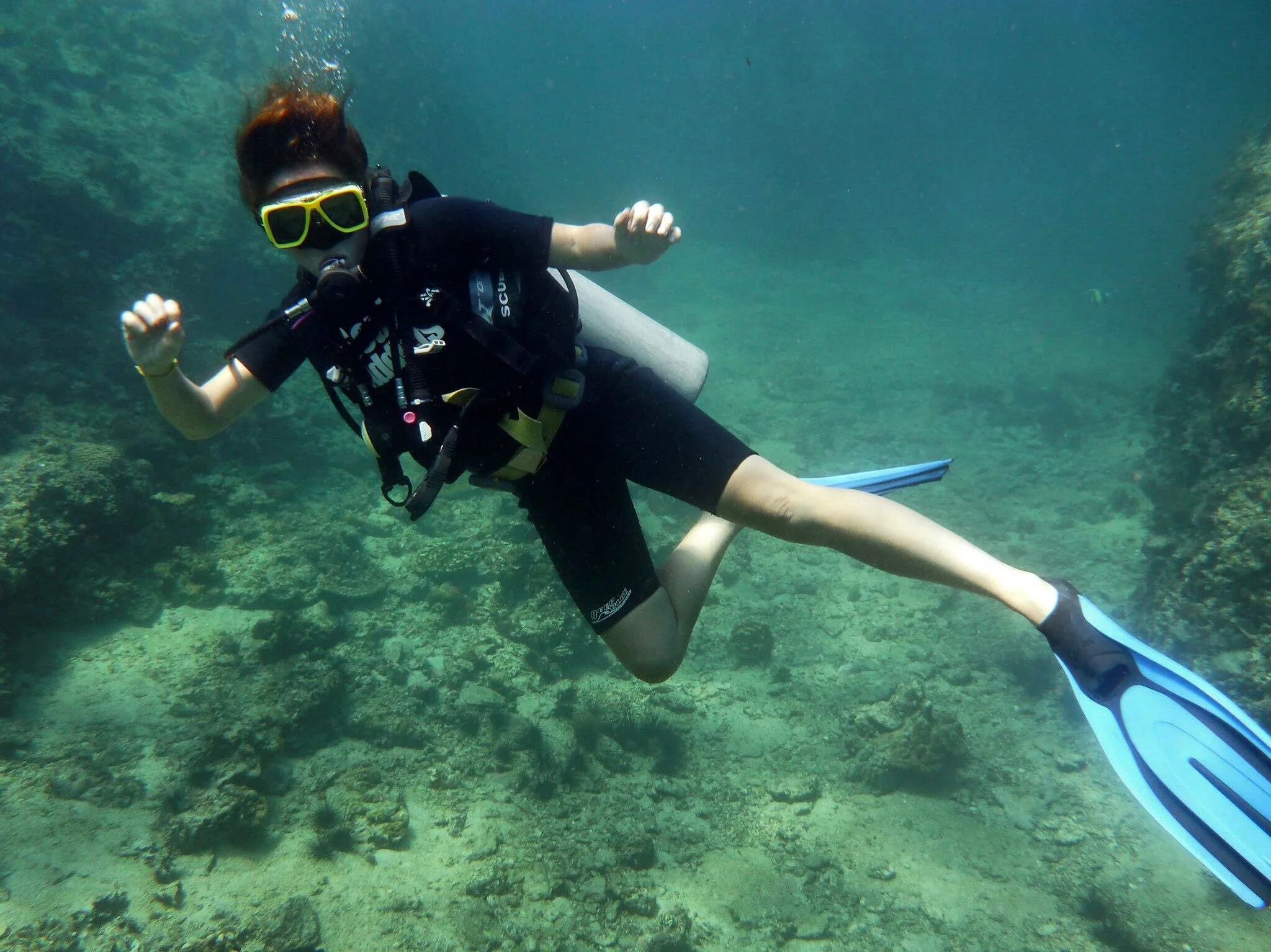
Susan is a seasoned gap-year consultant with 12 years experience supporting transformative gap years. A restless traveler and expert guide, she’s explored 49 countries—as a student, group leader, and solo adventurer—bringing firsthand insight into every itinerary. Susan blends practical know-how with an adventurous spirit to design gap years that are meaningful, and perfectly matched to each student’s goals and budget.
Ultimate Guide to Planning Your Dream Gap Year Adventure
How to start planning your gap year?
Begin by answering some key questions and brainstorming big picture ideas. Get out a piece of paper and find a place free from distractions to think. Spend at least 15 minutes answering these questions:
Why do you want to take a gap year?
If you could do anything what would you do?
Any places you dream of spending time during your gap year?
Do you have a timeline for when you’d like your gap year to begin & end?
Keep coming back to this brainstorming list for the next few weeks - months. Set aside 5-15 minutes per day to plan your gap year, either by brainstorming, researching opportunities online, or talking to people in your community who might support your idea. Hoping to become fluent in French? Talk to your French teacher. Want to explore the arts more in depth? Ask your art teacher about courses or studios to enhance your skills.

TIP: When researching opportunities online, make note of what specific activities or locations most interest you, in addition to program names and websites. You might find that a semester or year-long program that caught your eye is out of your price range, but you could replicate the parts of the experience that most interested you for a shorter time period or in a different location in a way that aligns with your budget.
Budgeting
Don’t put off thinking about your gap year budget for too long. You may find that you need to spend time working and saving to help fund your dream gap year. Have a conversation with your parents or caregivers about how much, if any, they might be willing to contribute to your gap year fund. Calculate how much you have saved, or how much you might be able to earn between now and when your gap year begins. Set up a spreadsheet with your gap year budget and itemized expense lines based on how you hope to spend your gap time.
6 weeks of Independent Travel in Europe:
Airfare $1,400
Lodging $2,700
Meals $1,300
Activities/Spending Money $1,400
Public Transportation $400
Passport $145
Travel Insurance $190
Total $7,535
2 month sustainability internship in Costa Rica:
Airfare & In-country transportation $750
Program Fee (Includes Accommodation & Meals) $1,400
Spending Money $400
Passport $145
Travel Insurance $120
Immunizations & Personal First Aid Kit $120
Total $2,935
It is possible to have a great gap experience, even incorporating some travel, on a budget. Advance planning can be especially helpful, as that gives you more time to save up for more expensive gap experiences later on. You might consider imbedding some work into your gap experience to continue saving up for a winter or spring experience. Opportunities for international paid work are fairly limited for gap year students, though some gappers might consider applying for a Working Holiday Visa for New Zealand or Australia. Work Away is a great way to travel on a budget by working a set number of hours per week in exchange for room and board.
Staying in hostel dorm rooms is great for budget travel, and also helps in meeting fellow travelers. Cooking your own meals in a hostel kitchen or dining at local markets or street food stalls is often a more budget friendly alternative to eating in expensive restaurants every meal.

For those keen to explore another part of the U.S. you might considering a gap year through an Americorps program such as NCCC, American Conservation Experience, or City Year. A service year is a great opportunity to build practical skills as part of a team engaging in meaningful service, develop leadership abilities, and potentially earn a Segal Education Award that can be used towards higher education expenses.
Destinations
Where you spend your gap year might depend on your goals and aspirations for your year. Are you hoping to become fluent in Spanish or Japanese? Do you want to spend part of your gap year engaging in a marine science internship or volunteer project? Does working at a ski resort and skiing or snowboarding on your days off sound like a dream gap year? Think about how locations relate to your interests and desired experiences when planning your gap year.

Tip: If you have family or friends that live in another part of the country or abroad, see if it is possible to link your gap year to their location. Having a local connection as a familiar face, emergency contact, or even a free - cheap place to stay can be a huge bonus.
You’ll want to consider the safety of any locations you might travel to. You can look at country profiles on the U.S. Department of State website, and view Traveler’s Health information provided by the CDC. Regardless of where you travel, you should always ensure that you have adequate health insurance and travel insurance to cover you in case of illness or injury during your gap year.
Structure & Support
You’ll want to spend your gap year doing things you enjoy in places that interest you, but you also want to ensure that those places and experiences offer you an appropriate amount of challenge and support. This is key for a successful gap experience. Ask yourself:
How comfortable am I venturing out in the world on my own?
Can I use my voice to be an advocate for myself?
How will I manage stressful situations?
If these questions make you feel anxious, or you feel that you might struggle to advocate for yourself or independently manage stressful situations, then you might opt for a more highly structured and supported experience to begin your gap year. Programs that incorporate a program leader or mentor can be a great start for students who don’t feel ready for an independent experience or would feel more reassured with additional support. You want to feel challenged during your gap year, but not challenged to the point that you become stressed and unable to cope. Talk with your parents or caregivers about what level of structure and support you might need.
Tip: It’s a good idea to begin the gap year with more structure & support and transition into experiences that allow for greater independence as the gap year progresses.
Want more advice on how to plan your dream gap year adventure? Check out the DIY Gap Year Toolkit. It includes: a 64 page workbook with engaging exercises to jumpstart your gap year planning; informative videos on The Foundations of the Gap Year, How to Set Gap Year Goals, Budgeting, Safety, and A Step by Step Guide for How to Launch Your Gap Year; Access to a Gap Year Opportunities List with over 100 different experiences to choose from; and a One-on-One Planning Session to workshop your Gap Year Plan with a professional gap year consultant.
Gap Year Planning Tips
Incorporate practical skill-building experiences, as well as, fun & adventure. Time spent exploring personal interests and trying new things allows students to reflect on their own values while exploring critical life questions: Who am I? What kind of life do I want for myself?
Tips for Planning a Meaningful Gap Year
Planning a gap year might seem like an overwhelming task, especially if you don’t know many students who have taken a gap year. Maybe you know someone who has taken a gap year, but feel their experience is not what you want for your gap year. There is no single formula for a “good” gap year, but there are a few simple guidelines that I believe can help you navigate the planning process.
Make it uniquely yours! What worked well for someone else might not be right for you.
Start with some structure & support, then transition to experiences that allow for greater independence. Selecting gap year opportunities that are appropriate to each individual student’s experience and comfort level helps students to be challenged appropriately, while maximizing opportunities for growth.
Keep in mind, opportunities that offer a higher level of structure and support (ie. program leaders supervising students 24/7) tend to cost more. This extra support can be worthwhile and provides parents with peace of mind. Students with a high degree of independence, good communication skills, and previous experience away from home might benefit from gap opportunities that allow them to experience more freedom and individual responsibility.
Incorporate practical skill-building experiences, as well as, fun & adventure. Time spent exploring personal interests and trying new things allows students to reflect on their own values while exploring critical life questions: Who am I? What kind of life do I want for myself?

Ikigai is a Japanese concept meaning “reason for being”
The gap year planning process should be student driven. Gap Year Consultants & parents assist with research and guidance, but students should be active contributors throughout the planning process.
A gap year experience does not need to be specifically created and marketed as a “Gap Year Program”. Work or volunteering while living at home, WOOFING or WorkAway, Interning or Job Shadowing, or participating in an all ages Volunteer Program Abroad can all be excellent gap year experiences.
Consider including at least one non-gap year specific experience into your gap year. Through work, volunteering, interning, or job shadowing, students are able to interact with diverse age groups or folks from different backgrounds. These experiences allow students to broaden their perspective (without necessarily leaving their hometown); while honing critical life skills, such as, motivation, communication, time management, and more.
Want more advice on planning a meaningful gap year? Schedule a no obligation introductory consultation today!
Gap Year Planning, Where to Start
The gap year is still a relatively new phenomenon for most Americans, so it’s not surprising that many families find themselves navigating unfamiliar territory as they approach the gap year planning process. First off, it is important that the student be an active and willing partner in the decision to pursue a gap year. Like so many growth experiences, one gets out of a gap year what one is willing to put into it.
To guide the gap year planning process, I generally recommend that students come up with some goals for their gap year, ie. become more independent, improve language skills, gain professional experience through an internship or work experience. Gap year goals will help to give a clear vision of what the intentions are for a student’s gap year. Remember, a gap year is intended to be a year of growth and development, not a year of aimless wandering. Next they’ll want to determine how long the gap year last. Will it be a full year? 14 months? 1 semester? The choice is yours. It is recommended that you have a planned start / end date for your gap experience before it begins.
Once you have determined gap year goals and length of experience you’ll need to come up with a budget. How much money do you have to work with? Good gap years do not need to cost $30,000+ (though some do). It is possible to have a transformative gap experience on a budget. (See Paying for a Gap Year). Be realistic with your budget. If you are a Sophomore or Junior, you might consider getting a summer job to help pay for it. You might also consider imbedding some work experience into your gap experience to help fund travel later during your gap year.
Once you have determined your budget for your gap experience, you can begin looking at programs that match your gap year goals and budget. Keep in mind that your gap year does not have to consist of one single experience. Many gappers participate in 2-3+ experiences during their gap year. I generally recommend that students begin with a more highly structured and supported experience and transition into more independent ones. There are thousands of gap year opportunities, both experiences that are specifically tailored and marketed as gap year experiences, as well as experiences that might be suitable for a gap year, yet do not specifically market themselves as such.
When evaluating gap year programs you can consider online reviews, but don’t hesitate to reach out to the organization directly to ask questions or even request to speak with a former participant or parent. Glossy photos and marketable buzz words do not make up for quality programs and demonstrated experience. If you have any medical conditions or severe allergies, inquire if they are able to, or how they might support someone with those needs. Ensure you are clear about what type / level of support is offered and that it matches your needs. Will there be someone checking in with you each day, weekly, monthly? What happens if you need to visit a doctor? Will someone be available to assist you, or are you capable and comfortable navigating this on your own? Be honest with yourself about your capabilities and areas where you need more support. Clear, honest communication and appropriate expectations are critical for a positive gap experience.
You might be wondering where college fits into the gap year planning process. It is different for everyone. Generally I recommend that students apply to college their senior year, while they have the support of their college counselors. After receiving offers of admission and determining where you’ll attend college, you should contact your admissions office to request a deferral. You’ll want to demonstrate that you have a solid plan and intend to use your gap year to become an even more qualified candidate. You might not have your gap year plans firmed up by this point, but you should at least be able to articulate why you want to take a gap year and some goals you have for your time. More and more colleges and universities are embracing and even encouraging students to take advantage of the gap year, so you should not let fear of losing your spot deter you from taking a gap year. Be aware of how a deferral might affect any scholarships or financial aid you may have been awarded, as well as any restrictions on earning college credit during your gap year.
For students who may need to apply to college during their gap year, you’ll want to ensure that you dedicate sufficient time during your gap year to completing those applications and admissions essays. Whether it be having a summer experience and then returning home to work on applying to colleges, or having college applications prepared before you depart for a fall gap experience, be sure to plan in advance.
Feeling overwhelmed with gap year planning or having difficulty finding the right fit? Students or parents might wish to schedule a no obligation exploratory conversation to answer questions or clarify what a gap year might entail.