

Gap Year Travel in Europe on a Budget
By Josie Herring
During the spring portion of my gap year I spent 2 months traveling solo-ish in Europe. Although this was never in my original gap year plan, I had to rearrange my plans quite a few times and it is where I ended up and I am so grateful that I did. This past year was a weird time to take a gap year with ever-changing COVID restrictions, war, and multiple other factors. Not only did I get to learn about the world and myself, but I also learned the importance of going with the flow. I’ve always considered myself to be a flexible person, able to move wherever life takes me but in all honesty, this was a totally different ballgame. I had never traveled alone for so long and I had never left home with no idea when I would come back. In March, I booked a one way plane ticket to Copenhagen and packed up my backpack and took off with minimal plans, a tight budget, and no return flight home. I had plans to meet a friend in Copenhagen and then head to Cadiz, Spain to spend 3 weeks at a Spanish school. From there, I had pretty vague ideas about where I would end up. I found this a little bit stressful at first but as I got into it I realized there was no need to be as worried as I was. As soon as my plane landed in Copenhagen, I was ready to go wherever my feet (and FlixBus) would take me.
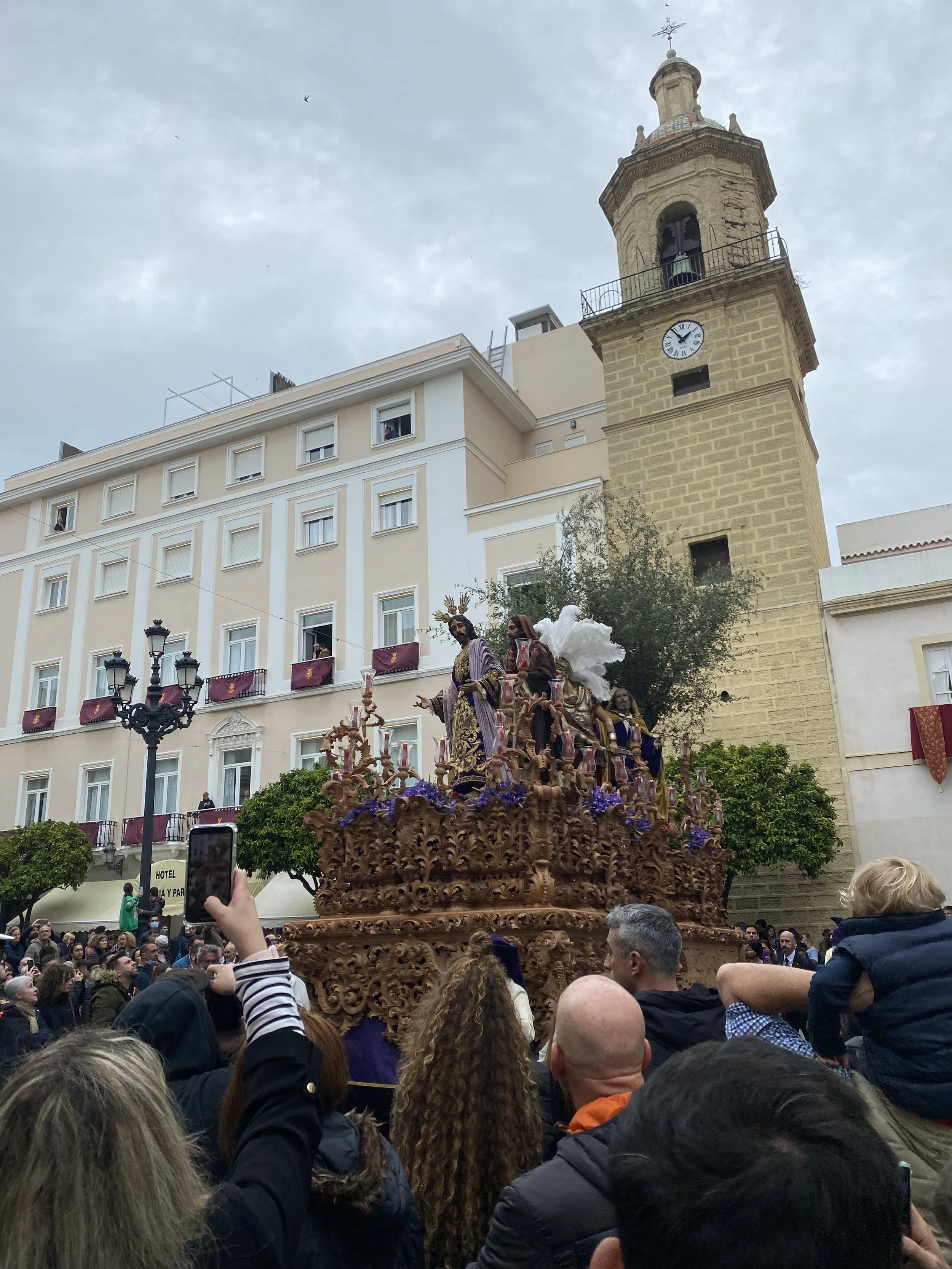
Semana Santa in Cadiz, Spain
Before continuing, I would like to restate that I did this on a pretty strict and pretty much self-funded budget. I spent a lot of my senior year of high school and the summer after graduation working 40+ hours a week between two jobs, as well as picking up odd jobs like dog sitting and babysitting on the side to make my gap year possible. Before departing for this trip, I had moments of weariness. Did I have enough money to actually do this? Would I be able to make it work on my budget? The answers were yes. In total I had around $6000 in savings when I left and ended up using a little over $5000 for the total 2 months of my trip. There were small sacrifices I had to make along the way such as choosing to take a $15 ten hour bus ride over a $40-$50 six hour train ride or spending less on food (by cooking at my hostel rather than eating out every meal) in order to purchase tickets to see things like The Alhambra in Granada or Belem Tower in Lisbon. In the end, it was always worth it. Maybe I was on a bus for ten hours, but hey I got to see the beauty of the Spanish countryside. Maybe I spent a little less on food some days by cooking rather than eating out, but I got to walk around sites filled with history and culture.

Alhambra in Granada, Spain
Moving on from budgets and finances and to the actual traveling part, it’s safe to say I was pretty nervous going into this trip. I had very minimal experience traveling alone, especially outside of the United States so the idea was pretty daunting at first. I wasn’t solo for my entire trip and met up with friends in a couple different places, but for the majority of the time I was on my own. My main concerns were having to navigate new cities and countries alone and being extremely lonely during the solo portions of my trip. Madrid was the first city I visited by myself and also where I realized there was no need to be as nervous as I was. I immediately made a new friend my first day there and was able to keep doing this for the rest of my trip. Not only did staying primarily in hostels help me to save money but it also allowed me to meet people in every city that I visited. I never felt truly alone because I was constantly meeting new people and spending time exploring new places and experiences with my newfound friends. I even met people that I’m still in contact with and plan to see again even after leaving them behind and returning home.
During my travels across Europe, I saw places I had previously only ever dreamed of visiting. I visited stellar museums in Copenhagen, bustling food markets in Spain, colorful tiled buildings in Portugal, castles in Budapest, and the clearest water I have ever seen in my life in Croatia. I spent a big portion of my trip (3 weeks) at a Spanish school in Cadiz, Spain. I spent each week going to classes in the morning and then exploring the smaller city during my afternoons. Not only was I able to learn and improve at Spanish, but the school also offered cultural activities where we were able to learn about the history and culture of the city and country we were in. I was able to learn and improve my Spanish skills while also getting to form a connection with the city I was in and the people around me. My time at the school prepared me to continue traveling around Spain afterwards as well. I left Cadiz with better (but still not perfect) Spanish and more knowledge about culture and customs in Spain. I found it easier to visit different cities like Granada and Barcelona because I felt as though I was more prepared to communicate and navigate the cities. The rest of my time in Spain was spent visiting centuries old landmarks, art museums such as the Picasso museum in Barcelona, and also eating amazing food. From Spain I headed to Portugal, a country somewhat similar but also totally different from Spain. I spent most of my time in Portugal exploring the most picturesque places such as the Algarve, Jardins do Palácio de Cristal in Porto, and the ancient architecture of Portugal's past.

Lisbon, Portugal
Originally I planned to only visit Copenhagen, Spain, and Portugal but as time went on I was ready to see something new. I found a cheap round trip flight to Budapest with a return flight from Dubrovnik and less then 48 hours after booking it, I was off to a completely different part of the continent. That spontaneous decision is probably one of the best I made during my entire trip. I got to see historical pieces of Budapest and learn more about Hungarian culture. From Budapest I headed to Zagreb, Croatia where everyone was welcoming and kind. During my first day I did a walking tour (one of my favorite activities in any city I visited) and got to learn about the history of Croatia, Yugoslavia, and some of the awesome things we have today that came out of Croatia (electric light bulbs for example!).

Split, Croatia
By the end of my trip, I felt as though I had left a small piece of my heart in every place I visited. After coming home, everyone asked me my favorite place I went to, my favorite things that I did, my favorite foods that I ate, etc. Those questions were extremely difficult to answer because everywhere I went had something different that I loved. Semana Santa celebrations in Cadiz, the Alhambra in Granada, Park Guell in Barcelona, Rua Augusta Arch in Lisbon, the Jewish quarter of Budapest, the old towns of Croatia, and so much more. It’s impossible to pick a favorite place or favorite thing out of all of these amazing experiences.

Fisherman’s Bastion Budapest. Hungary
In the end, I am extremely grateful I decided to take a gap year and for all the places it took me. I am grateful that all of my plans changed and I ended up in places I never planned to visit this year. I am grateful for all the people I met and the connections I created with people from all across the globe. And finally, I am so grateful that I was able to have the experience of traveling alone for the first time. It gave me a chance to spend more time with myself and really evaluate myself. Every person in life builds their personality from the people they spend the most time around and in a way, our personalities are all just little pieces of each other. Traveling by myself gave me the chance to discover more about who I am and what I want from life without the presence of close friends and family from home. While it’s fun to travel with friends and it’s fun to have people to share our experiences with, it’s also liberating to travel alone and amazing to see how you can develop from doing so.
Josie was the 2021 Recipient of the Free to Roam Adventures Gap Year Counseling Scholarship. For details, or to apply click here.
Josie's Semester in Central America
Guest post by gapper Josie, describing her semester in Central America during the fall of 2021
During the fall semester of my gap year I spent two months in Costa Rica and Guatemala. Both countries are equally stunning. Costa Rica was filled with beautiful beaches and incredible wildlife whereas Guatemala held rich culture and gorgeous volcanoes. I was able to learn a lot in both countries. In Costa Rica I was more focused on nature, environmental issues, and wildlife (specifically sea turtles). In Guatemala I took time to learn more about Mayan culture, the history of the country, and spent more time working on my Spanish skills.
Costa Rica
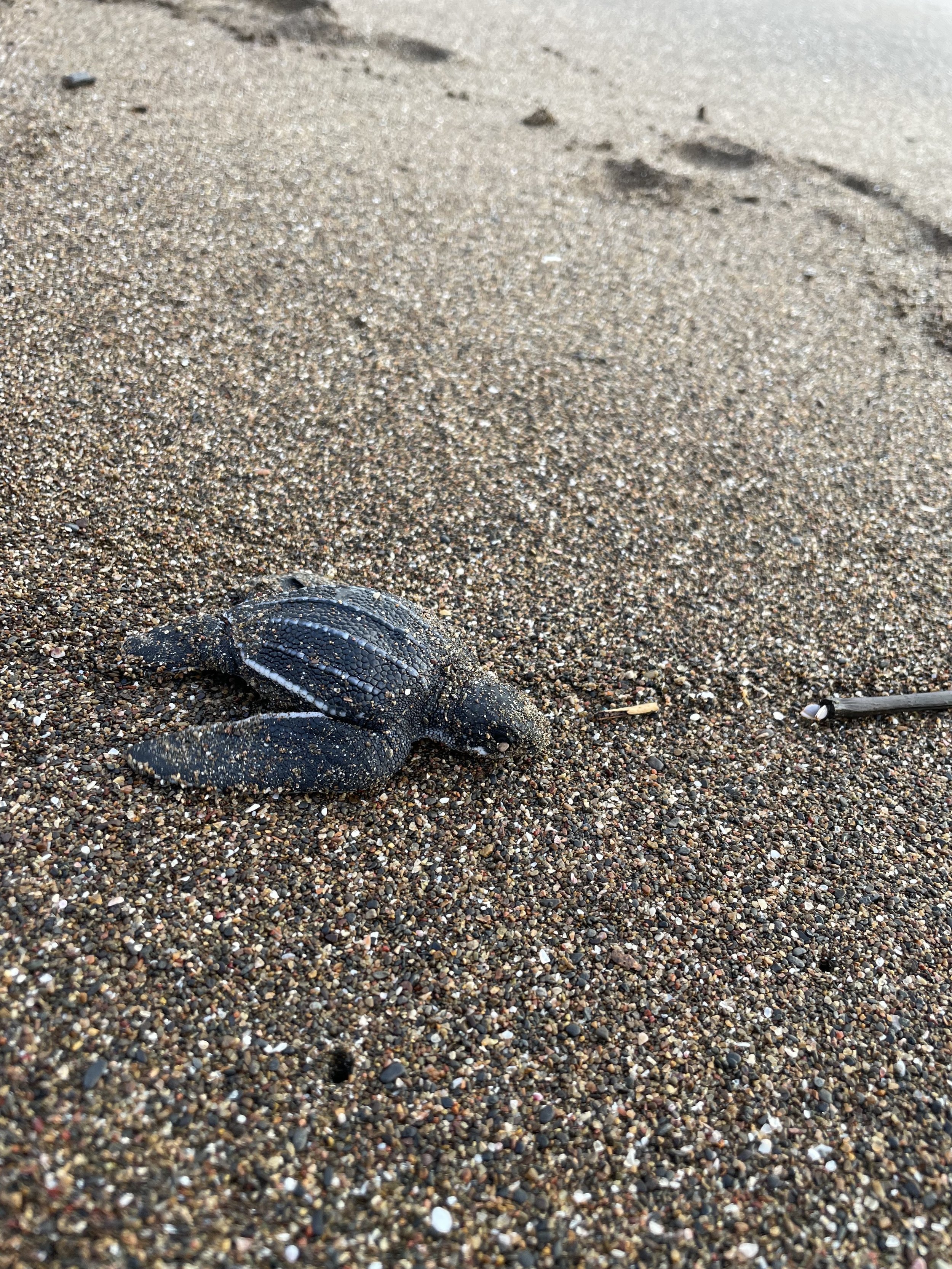
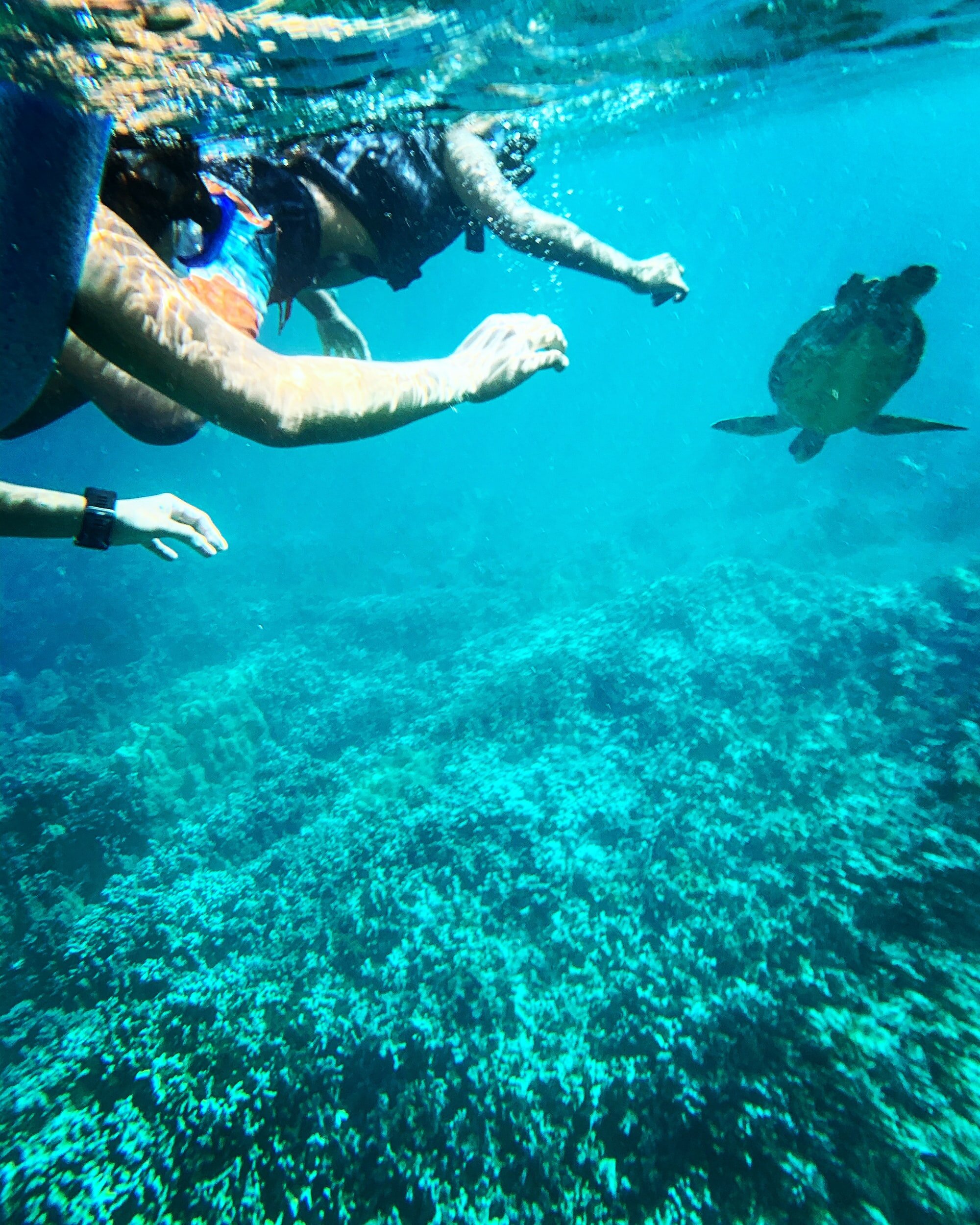
I spent six weeks in Costa Rica moving around the Pacific side of the country. I spent time in Santa Teresa, Montezuma, Samara, and Monteverde. I spent most of my time doing volunteer work (cleaning up microplastics on the beach, working in a recycling center, and working at sea turtle hatcheries). Plastic is a huge issue on the beaches in Costa Rica even though the country itself has moved to start banning all single use plastics. Trash is constantly washing up on the beaches and whenever I participated in beach cleans it was easy to fill up a large bag with plastic within only about fifteen minutes. For me this put into perspective the harsh reality of the materialistic lives that many people, including myself live. Now when I find myself in a grocery store or gas station, I cringe at the hundreds of plastic bottles and the plastic packaging lining the shelves knowing that they could very likely end up washing up in a beautiful place such as Costa Rica. Other than learning about the effects of plastics on the environment and cleaning them up off beaches, I also spent time taking Spanish classes, exploring the towns I was in, and taking in the beautiful landscapes laid out in front of me. Some of my all time favorite experiences in Costa Rica were getting to work up close with sea turtles. I spent time in two different turtle sanctuaries where I was able to help release baby sea turtles into the ocean and watch over the hatcheries. I even got to swim with an adult sea turtle! That is definitely a memory that I will cherish for the rest of my life.
Guatemala

I only spent about two and a half weeks in Guatemala but during that time I was able to have some of the most amazing experiences. In Guatemala I visited Antigua, Lake Atitlan, Flores, and Semuc Champey. Guatemala is the land of volcanoes. There are 37 volcanoes in Guatemala and I even got to hike up one. In my first few days I hiked Acatenango and after a seven hour uphill trek I was met with stunning views of Volcan de Fuego. When I say that this was one of the most amazing things I’ve ever seen I’m not exaggerating even a little bit. It was freezing and windy at our camp on Acatenango and even though the weather sounds miserable, there’s no way to be unhappy when you are sitting on top of one volcano while watching another one erupt every 15-20 minutes.
Throughout the rest of my time in Guatemala I was immersed in beautiful landscapes and an interesting culture. Guatemala holds some of my favorite memories such as swimming in Lake Atitlan at sunset with my friends, watching the sunrise over the volcanoes and Antigua from 12,000 feet up and meeting new people from all around the world. Near the end of my time in Guatemala, I spent five days solo in Antigua where I spent everyday wandering through the ruins and the city. I easily spent five or six hours a day just roaming around the city meeting new people, trying local restaurants and practicing my conversational Spanish skills with the locals.
Both Costa Rica and Guatemala were breathtaking countries and I’m extremely grateful for the time I was able to spend there. I not only learned about the environment, culture, and history but also about myself. One of my biggest goals in taking a gap year was to push myself out of my comfort zone and I would say that I definitely achieved that while I was in Central America. I found myself trying new things and encountering things that normally would have scared me on a daily basis such as snorkeling next to sharks, finding a Boa Constrictor in my room, climbing volcanoes, and much more. I pushed myself to take in every experience no matter how much it freaked me out because that’s the only way I was ever going to learn to find comfort in the uncomfortable experiences. Of course everyday wasn’t perfect, I had days where everything seemed to go wrong or where my mental health took a toll on me but by the end of two months I found myself almost embracing these discomforts. Not everything can be perfect, even when you feel as though you’ve woken up in paradise. Those discomforts and struggles were part of the journey and can’t be ignored when reflecting on my experiences because some of those experiences were just as important as the good ones. I believe that going into my trip to Central America, I had this idea that it could fix some things in my life or that it could fill in the gaps of what I felt as though was missing from my life. In some ways it did offer me relief, I found the importance of being grateful for every day and never taking anything for granted and I felt as though I was truly living everyday. On the other hand, I realized that even the most beautiful places and amazing experiences can’t solve every problem. I will always be grateful for my time in Costa Rica and Guatemala because as my first international travel experience, I feel as though I was able to learn a lot about myself while simultaneously learning about the world.

Antigua, Guatemala

Volcan de Fuego
Josie was the recipient of the 2021 Free to Roam Adventures Counseling Scholarship. Her budget for her two months in Central America was under $6,000. She was able to fund her travels through part-time work during and after high school. The deadline to apply for the 2022 Counseling Scholarship is April 2022.
NEW Virtual and Domestic Gap Year Programs for 2020
2020 has been a record year for the gap year as more students than ever before weighed the option of a virtual freshmen year or limited on-campus interaction with a COVID-style gap year. I consulted with more families than ever before from March - September. While not everyone decided that a gap year was the right choice for them, every one of the gap year students I ended up working with has declared that a gap year was the right choice. This fall I have had students participate in virtual gap year programs, in-person structured domestic gap year programs, as well as, DIY or “recipe” gappers who worked on electoral campaigns, worked to earn money, took a class, or volunteered close to home.
Virtual Gap Programs
A virtual gap year program at first seemed antithetical to the entire notion of a gap year, which has traditionally focused on experiential learning. However, program providers have developed some rich and engaging virtual options. These new virtual gap year programs offer students the opportunity to: participate in cultural exchange, language learning, and volunteer placement(s) with US-based non-profit(s); take part in workshops focusing on discerning one’s own values, goal setting, & developing creativity & confidence; hear from inspirational global change-makers, develop leadership abilities through a facilitated course, and form friendships with gap year students from around the world.
Learning to build community is one of the key takeaways I hope for students in their gap year experience, and one many of us have been desperately craving since the pandemic began. I’ve been impressed and inspired by student’s abilities to connect with peers in meaningful ways through virtual programs. One of my clients has taken part in book clubs, volunteered as an English teacher (virtually), and organized a virtual Halloween party with her cohort of gap year peers.
Many virtual gap year options are part-time, so students can combine a virtual program with other experiences, such as part-time work, volunteering, or an internship. A virtual gap program offers both social connection with other gap year peers, as well as, necessary structure and support from program mentors. Students can build around the virtual gap program to fill the remainder of their gap time with in-person experiences that align with their overall gap year goals.
While a virtual gap year program might not be the right fit for every student, they are an affordable, flexible option for students seeking connection and support during their gap time.

Domestic Gap Programs
Traditionally I’ve had very few students interested in a domestic gap experience, (despite my repeating how many WONDERFUL places there are to explore right here in the United States). As we all know, 2020 is not a traditional year. In addition to new virtual gap options, I’ve also seen many trusted providers pivot their focus to offer more domestic options, or offer domestic programming for the first time. Several providers that previously served only high school or college students developed gap programs to meet the increased demand for in-person alternatives to virtual college classes. It has been a busy season learning about all of these new and exciting gap year options!
In-person domestic experiences range from: residence based programs where students live together in a small pod and learn about a specific theme through hands-on experiences (ie. sustainable agriculture in NC or climate justice in OR); programs that involve some wilderness exploration while also focusing on topics such as culture and society along the Southern border or sustainability in Colorado or Hawaii; programs that are primarily wilderness based and focus on developing technical skills, such as, rock climbing, skiing, or backcountry backpacking; as well as, programs that are more travel focused and wilderness-lite where groups explores a region of the U.S. on a road trip visiting National Parks, having adventures with peers while supported by program leaders and developing new skills such as SCUBA certification and campfire cooking.
Many of these new domestic gap options involve some degree of wilderness experience. Some students hesitate at first when presented with a program that involves camping. I encourage students who are interested in the varied themes of a wilderness-lite gap program and committed to having an in-person experience to give it a go. The majority of 18 year olds have not spent much, if any, time in the backcountry, and providers don’t expect students to be wilderness experts. An open mind, a willingness to try new things, and occasionally get out of your comfort zone are the key prerequisites. Both while leading gap year programs overseas, as well as, this semester with my consulting clients I have heard multiple accounts from students who had never camped before, but now, as a result of their gap experience, plan to seek out more camping and wilderness experiences in the future.
Students returning from domestic in-person programs this fall report similar impacts to what I usually hear from students who travel abroad. Students had incredible fun, were challenged, learned to improve their communication skills, increased their maturity & independence, and forged meaningful relationships with their group mates and program leaders. Students and program providers have already managed to turn a challenging year into a growth-filled adventure. I look forward to continuing to support students as we deal with the challenges and adventures early 2021 may bring.
Managing Money During Your Gap Year
Be frugal but don't obsess over every dollar. Don't miss out on once in a lifetime opportunities. When in situations where bargaining is culturally appropriate, bargain, but consider the significance of that amount of money to you compared to the person with whom you are bargaining.
My love of travel over the years has taught me to be smart about managing money. I made some mistakes early on (ie. not understanding exchange rates and drastically overpaying for souvenirs). Yeah, they were learning experiences, and that is part of a gap year -- you are free to make mistakes and learn from them. Another core lesson I learned from traveling: heed the advice of people who have been there before me. Hopefully some of the lessons I learned throughout my years of traveling can help you to save some money and make smart financial choices during your gap year.
Make a Budget (and stick to it!)
How much money will you need for basic necessities (food, lodging, transportation)? I have found the Lonely Planet budget suggestions (Divided by: Budget, Midrange, Top End) to be pretty accurate. Figure out which category suits your travel style, and multiply that by the number of days you plan to travel in that region. ie. $30 per day in South America will mean you can expect to stay in hostels, prepare most of your own food or eat at inexpensive local markets, and walk or take public transportation.
Keep track of your expenses and if you accidentally go over one day, expect to cut back your expenses another day to make up for it. If you have trouble sticking to your budget, try only taking enough money with you that you have allotted for that day. Store your remaining money securely in a locker in your hostel. If there is no locker, or if you are in a private room, stash your extra cash and valuables inside a backpack or bag with zippers. Lock the zippers to one another with a small combo lock.
There will undoubtedly be excursions or more costly activities you'll want to participate in during your gap year. If you can swing it, add an extra cushion to your budget for that Amazon experience or trek to Machu Picchu. Plan ahead so you don't have to miss out on a once in a lifetime opportunity. Research companies (or ask your gap year advisor for recommendations) to ensure you get good experience from your investment.
If you are already on a shoestring budget, consider looking into work or volunteer opportunities that might subsidize your housing and food costs for a portion of your gap year. Authentic encounters where you get to spend meaningful time with locals are often the most memorable parts of a gap year experience. You'll be able to save up cash that you can use for the more "touristy" parts of your gap year.

Me during a week volunteering at an elephant conservation center in Thailand
Accessing Cash
Traveling with up to $200 cash in newer bills as a back up fund is a good plan, especially if you are traveling independently. Though I do not recommend bringing all of your budget in cash. You run the risk of having it stolen, plus you will waste money on exchange fees each time you exchange USD to local currencies. No matter where you go, you will see money exchange businesses that advertise "no commission" or "no exchange fees". This is not true! Do not be deceived. Currency exchangers make money by giving you an unfavorable exchange rate. The exchange rates offered at currency exchange booths are rarely, if ever, competitive to those offered by banks when you withdraw cash from an ATM.
Bring a debit card with a chip to withdraw local currency from ATMs. Visa tends to be the most widely accepted, though MasterCard is also an option. I typically recommend participants also bring a back up credit card (Visa or MasterCard with a chip) for emergencies (or in case the debit card is lost, stolen, or does not work). Be aware of the fees that your bank charges for accessing an ATM that is not affiliated with your bank, as well as foreign transaction fees and conversion fees. These can really add up. I suggest withdrawing larger amounts (no less than the local currency equivalent of $100) to minimize the frequency of your withdraws and fees assessed by your bank.
If you plan to do a lot of traveling, or for a long period of time, you might consider opening a checking account with Charles Schwab or Fidelity. Both offer checking accounts linked to brokerage or mutual funds with free ATM withdraws worldwide.
Store your extra cash and backup credit card separate from your debit card and money you have allotted to spend for the next few days. If something is lost or stolen you will have a backup plan. Many debit and credit cards now come with access to block your cards via your online account. If you can't do this, be sure you have the account numbers and international customer service numbers noted somewhere so that you can immediately report the loss if this happens.
Ways to Stretch Your $$$
Take a re-usable water bottle (and Steripen if you won't be able to drink the tap water)
Bring your water bottle with you, always
Minimize your alcohol consumption (alcoholic beverages are often as expensive as a meal)
Travel like locals (bus, subway, bicycle, by foot) Only take taxis when necessary or for safety
Stay in hostels or locally owned guesthouses
Bring a quick dry towel and combo lock to avoid having to rent them
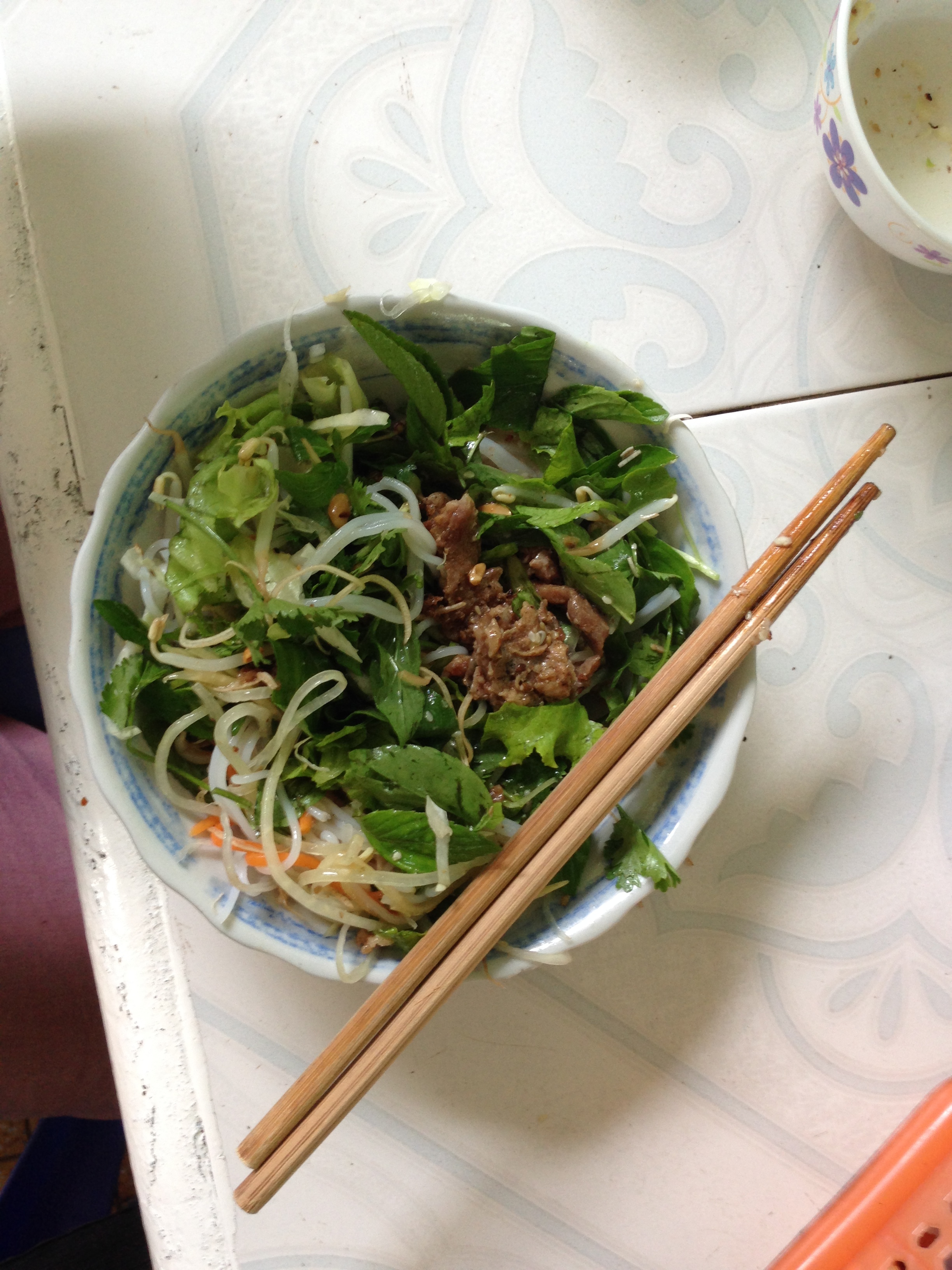
Eat like locals / Shop at local markets and cook your own food
Avoid touristy areas for meals (quality is usually poor and prices are inflated)
Be frugal but don't obsess over every dollar. Don't miss out on once in a lifetime opportunities. When in situations where bargaining is culturally appropriate, bargain, but consider the significance of that amount of money to you compared to the person with whom you are bargaining.