
Six Things I’ve Learned from Travel
Travel has been one of my greatest teachers. Not just about geography or food or culture—but about myself. Every missed train, unexpected friendship, wrong turn, and quiet solo dinner shaped me in ways I never expected.
Here are six of the most meaningful lessons I’ve learned from traveling.
1. How to Manage Expectations and Deal with Disappointment
No trip ever goes exactly as planned.
Flights get delayed. Hotels look nothing like their photos. The “hidden gem” restaurant is closed on Tuesdays. Weather ruins the postcard-perfect view you imagined.
At first, disappointment feels heavy. But travel taught me something powerful: expectations are often the real problem—not reality.
When I started leaving space for unpredictability, everything changed. I learned to:
Replace rigid plans with flexible outlines
Focus on experiences instead of perfection
Ask, “What’s possible now?” instead of “Why isn’t this working?”
Ironically, some of my favorite memories came from “ruined” plans. The canceled tour that led to wandering local streets. The missed bus that introduced me to someone fascinating.
Disappointment isn’t the end of the story. It’s often the start of a better one.
2. How to Be Resourceful and Stick to a Budget
Travel quickly teaches you the value of money.
When you’re watching every dollar (or euro, or peso), you become creative:
Cooking simple meals instead of dining out every night
Walking instead of taking taxis
Finding free museums and community events
Choosing experiences over souvenirs
Budget travel isn’t about deprivation—it’s about intention.
I learned to ask:
Is this worth it?
What matters most today?
Where can I adjust without sacrificing joy?
Being resourceful builds confidence. When you can stretch a budget in an unfamiliar place, you start believing you can handle more than you thought.
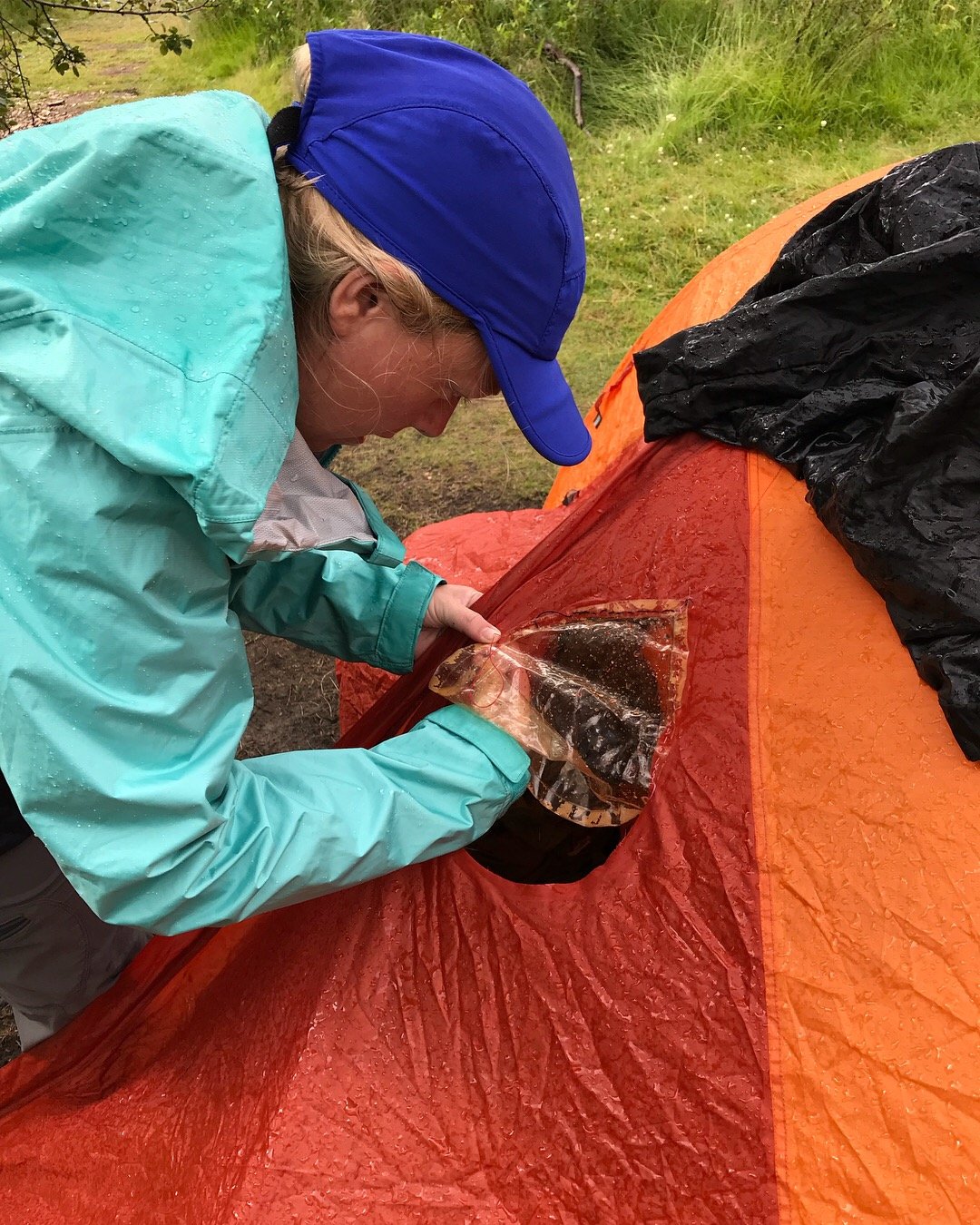
Repairing our tent on a backpacking trip in Iceland
3. How to Take Public Transportation
Public transportation used to intimidate me. I grew up in a small town with no public transit. My first time riding a metro was the summer after I graduated from high school.
Different languages. Different ticket systems. Different rules. One wrong platform and you’re headed the opposite direction.
But navigating buses, metros, and trains in unfamiliar cities forced me to:
Read maps carefully
Ask strangers for help
Stay calm under pressure
Pay attention to details
There’s something deeply empowering about figuring it out.
The first time I successfully navigated a complicated metro system alone, I felt unstoppable. Public transit isn’t just transportation—it’s a crash course in independence and adaptability.
4. How to Make New Friends
When you travel, you’re constantly outside your comfort zone. And that vulnerability opens doors.
You learn how to:
Start conversations with strangers
Share stories quickly
Find common ground across cultures
Listen more than you speak
Some friendships last an evening. Others last years.
Travel strips away small talk. When you meet someone on the road, you’re often meeting them in a raw, open, curious state. That creates connection faster than you’d expect.
I’ve shared meals with people whose language I barely spoke—and somehow we understood each other perfectly.
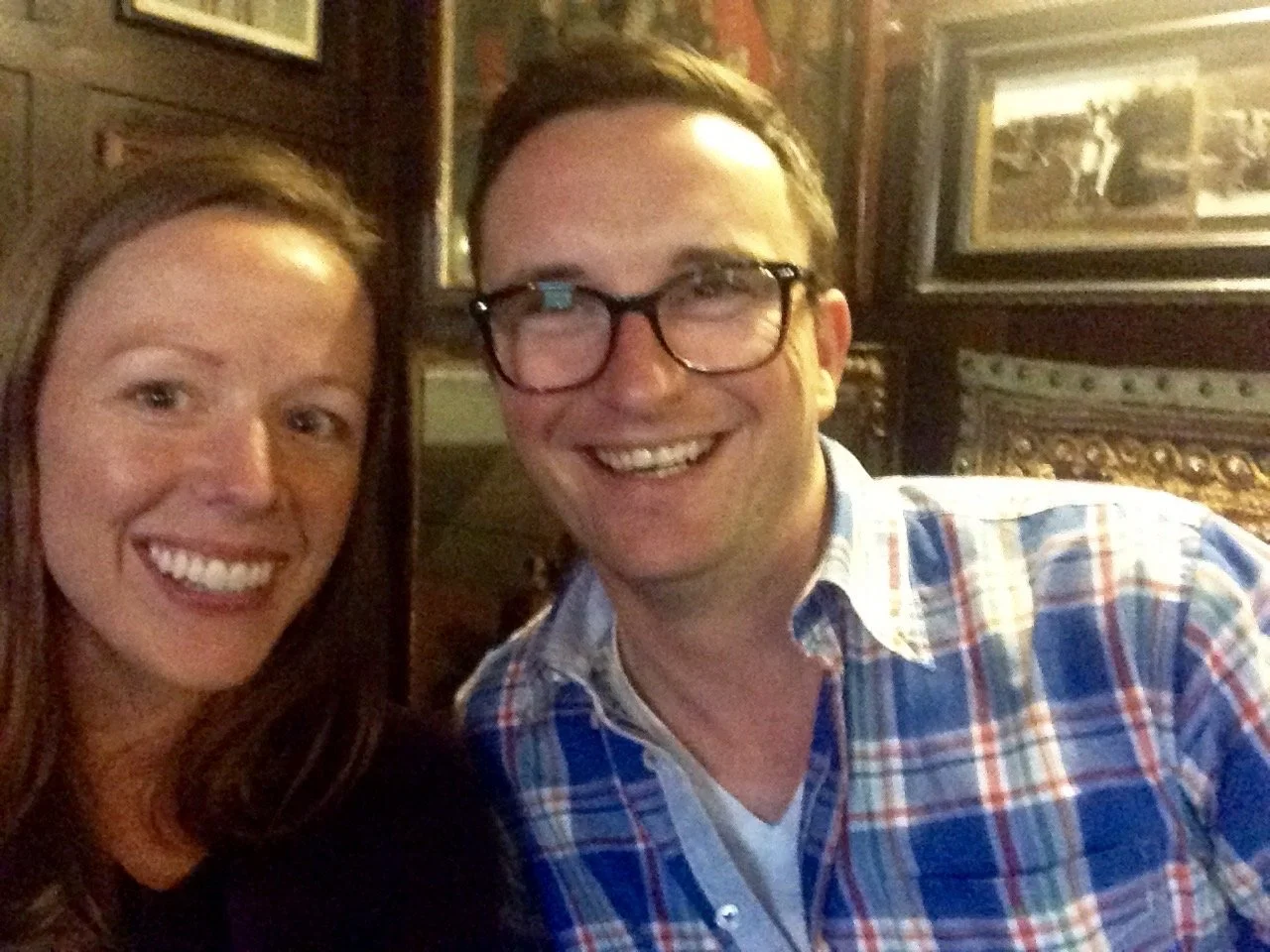
Jarda and I met when we were both in New Zealand on a working holiday in 2012. We got to catch up again in 2015 in London.
5. The Courage to Go It Alone
Solo travel is one of the most confronting—and rewarding—experiences I’ve ever had.
There’s no one to lean on.
No one to decide for you.
No one to fill the silence.
At first, it feels uncomfortable. Then it feels freeing.
Traveling alone taught me:
I can eat at a restaurant by myself
I can explore a city without a companion
I can solve problems independently
I enjoy my own company
Being alone in a foreign place forces you to trust yourself. And once you’ve done that, everyday challenges feel smaller.
Courage isn’t loud. Sometimes it’s just boarding the plane.
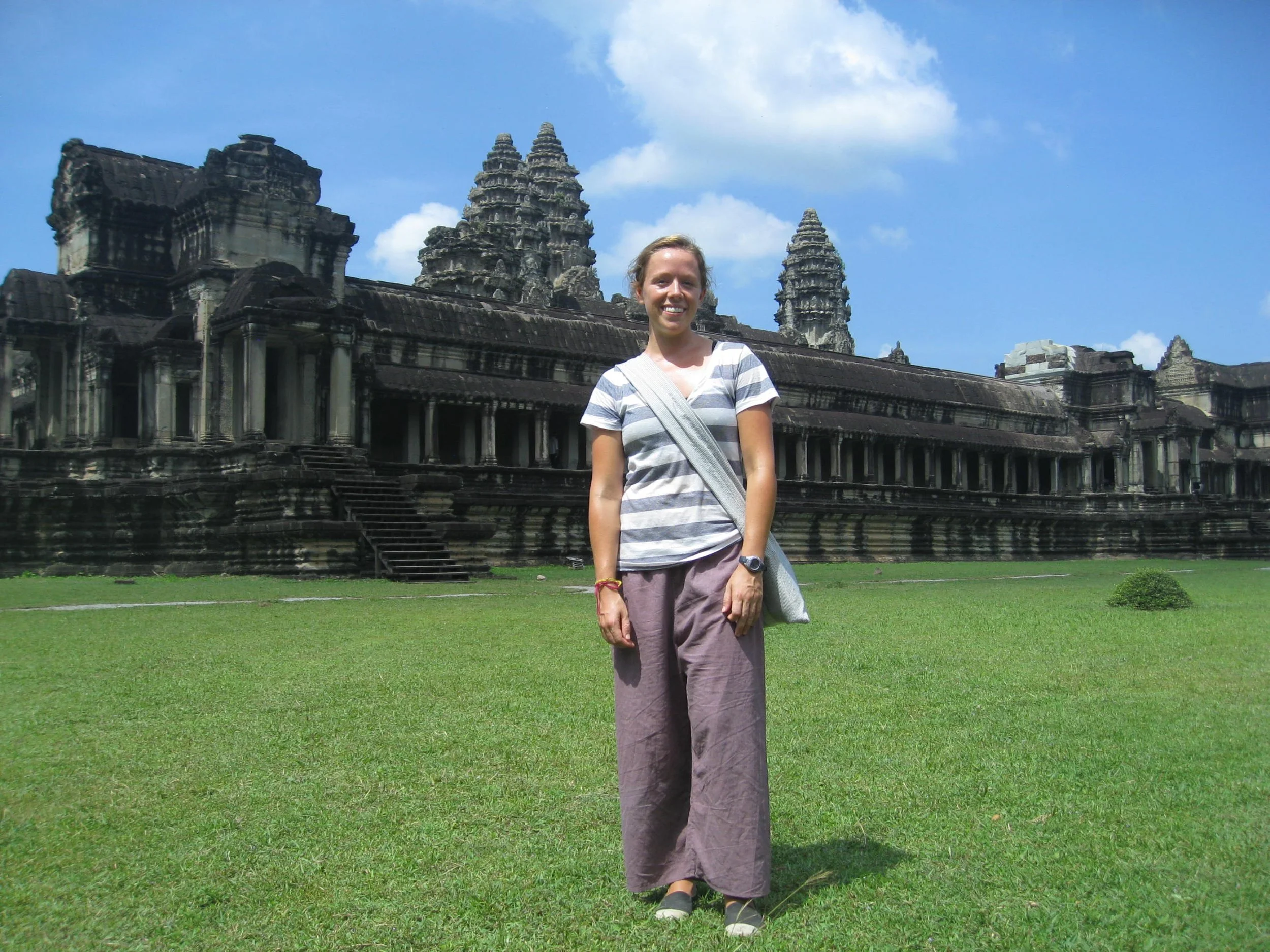
On a 3 month solo backpacking trip throughout SE Asia I met countless new friends and got offered a job leading gap year programs.
6. How to Manage Risk
Travel involves risk. Missed connections. Lost luggage. Unfamiliar neighborhoods. Health concerns. Uncertainty.
You can’t eliminate risk—but you can manage it.
I’ve learned to:
Research before arriving
Keep digital copies of important documents
Trust my instincts
Stay aware without becoming paranoid
Have backup plans
The goal isn’t fearlessness. It’s informed confidence.
Travel sharpened my judgment. It taught me to distinguish between healthy caution and unnecessary anxiety.
Final Thoughts
Travel didn’t just show me new places—it revealed new parts of myself.
It taught me flexibility when plans fall apart. Creativity when money runs tight. Confidence when I’m lost. Openness when meeting strangers. Bravery when I’m alone. Awareness when facing uncertainty.
And the most surprising lesson of all?
You don’t come back the same person who left.
Every trip leaves something behind—and brings something new home with you.
The Guide to Advising Your Student on a Gap Year
As a parent or educator, hearing a student say they want to take a "year off" can initially spark concern about lost momentum or delayed futures. However, in 2025, a gap year is increasingly viewed as a strategic leap forward rather than a step back.
At Free to Roam Adventures, we’ve seen firsthand how a well-advised student transforms into a focused, independent adult. Here is how you can effectively guide them through this pivotal decision.
1. Shift the Narrative from "Gap" to "Growth"
The term "gap" can imply something is missing. Instead, help your student frame this time as a discovery year. Research shows that students who take an intentional break return to college with:
Higher GPAs: Gappers often outperform their peers who went straight to university.
Renewed Motivation: A break from the "academic treadmill" combats burnout and reignites a passion for learning.
Faster Graduation: Gap year students are statistically more likely to graduate in four years because they enter with a clearer sense of their major and goals.
2. Encourage Them to Lead the Planning
For a gap year to be successful, the student must be the "primary curator" of their experience. Advise them to:
Identify Core Goals: Are they seeking cultural immersion, professional internships, or personal resilience?
Research Logistics: Have them manage their own passport renewal, visa applications, and budget spreadsheets.
Scaffold the Experience: We often recommend starting with a highly structured program (like a guided group trek) and transitioning toward independent travel or work as their confidence grows.
3. Tackle the Momentum and Social Fears
Students often worry about "falling behind" friends. Remind them that:
College Deferral is Standard: Many universities—including Harvard and Princeton—actively encourage deferrals for intentional gap years.
The "Age Gap" is a Myth: Being 19 or 20 as a freshman actually provides a maturity advantage that many professors and peers appreciate.
Friendships Evolve: Genuine high school friendships survive the distance, and the new global network they build will be invaluable for their future career.
4. Address Budget and Safety Early
A gap year doesn't have to be a financial burden. Guide them toward cost-effective options:
Work Exchanges: Programs like WWOOF or AmeriCorps allow students to travel with no or minimal housing or food expenses.
Strategic Budgeting: Advise them to work during the first half of their gap year to fund the second half.
Safety First: Discuss essential travel safety, such as purchasing comprehensive insurance and researching local customs before arrival.
5. Know When to Call in an Expert
Planning 12 months of life-changing travel is a massive undertaking. If the process feels overwhelming for your family, a gap year consultant can:
Vet Programs: We know which programs deliver high-quality experiences and which are just shiny websites.
Provide a Safety Net: At Free to Roam Adventures, we remain available while the student is abroad to handle logistics or cultural hurdles.
Find the "Ideal Fit": We use in-depth conversations to match a student's personality with an experience that will truly challenge and help them to grow.
Ready to start the conversation?
Empower your student to take ownership of their future. Contact Free to Roam Adventures for a consultation, and let’s turn their "year off" into their greatest year yet.
10 Awesome, Off-the-Radar Places for Your 2026 Gap Year
Thinking about a gap year but not keen on following the crowd to London or Sydney? That's awesome. The world is huge, and the best adventures often happen where the guidebooks aren't thick yet.
We’re Free to Roam Adventures, and we help people like you plan unforgettable trips that build confidence, skills, and incredible memories. Forget the tourist traps. If you want a 2026 trip that’s unique, affordable, and totally life-changing, check out these 10 amazing spots perfect for first-time adventurers.
1. Guatemala
Think: Ancient Mayan ruins, massive volcanoes, colorful markets, and stunning lakes.
Why it’s great for beginners: It's budget-friendly and well set up for travelers. Lake Atitlán is a great base for meeting people and taking Spanish lessons, while safety infrastructure is robust in popular areas.
Vibe: Vibrant culture, history, and the "next big thing" in Central American travel.

Lake Atitlan
2. The Azores, Portugal
Think: A secret set of nine green islands in the middle of the Atlantic Ocean.
Why it’s great for beginners: It's super safe and easy to get around, with English widely spoken. The focus here is on nature and low-key adventure. You can swim with wild dolphins, see massive waterfalls, and relax in natural hot springs.
Vibe: Eco-adventure, volcanoes, and ocean vibes.
3. Belize
Think: Caribbean vibes, the second-biggest barrier reef in the world, and English is the official language!
Why it’s great for beginners: Because they speak English, communication is a breeze. Travel infrastructure is designed for tourists, whether you're diving the Blue Hole or exploring jungle ruins inland. It’s compact and easy to navigate.
Vibe: Snorkeling, diving, jungle adventures, and English spoken everywhere.
4. Slovenia
Think: A tiny, green, fairytale country squeezed between Italy and Austria.
Why it’s great for beginners: It’s one of Europe’s safest and cleanest countries. It’s small enough that you can see mountains, cities, and the coast in just a couple of weeks. Lake Bled is a must-see, and the capital, Ljubljana, is super charming and easy to navigate.
Vibe: Green nature, castles, and easy travel.
5. Uruguay
Think: A safe, stable country in South America with great beaches, cool cities, and a relaxed vibe.
Why it’s great for beginners: Uruguay is often called the "Switzerland of the South" due to its safety and stability. It's a great entry point to the continent, offering charming towns like Colonia del Sacramento and fun beach areas without the crowds of Brazil or Argentina. Spend mornings studying Spanish at a language institute and afternoons lounging on the playa.
Vibe: Safe, stable, relaxed, and great beaches.
6. The Philippines (Palawan region)
Think: The bluest water you’ve ever seen. This is paradise, basically.
Why it’s great for beginners: The locals are incredibly friendly, and nearly everyone speaks English. The El Nido and Coron areas have amazing island-hopping tours where all logistics are handled for you. It's a perfect place to chill or dedicate your time to some marine volunteering.
Vibe: Snorkeling, kayaking, and pure paradise beaches.
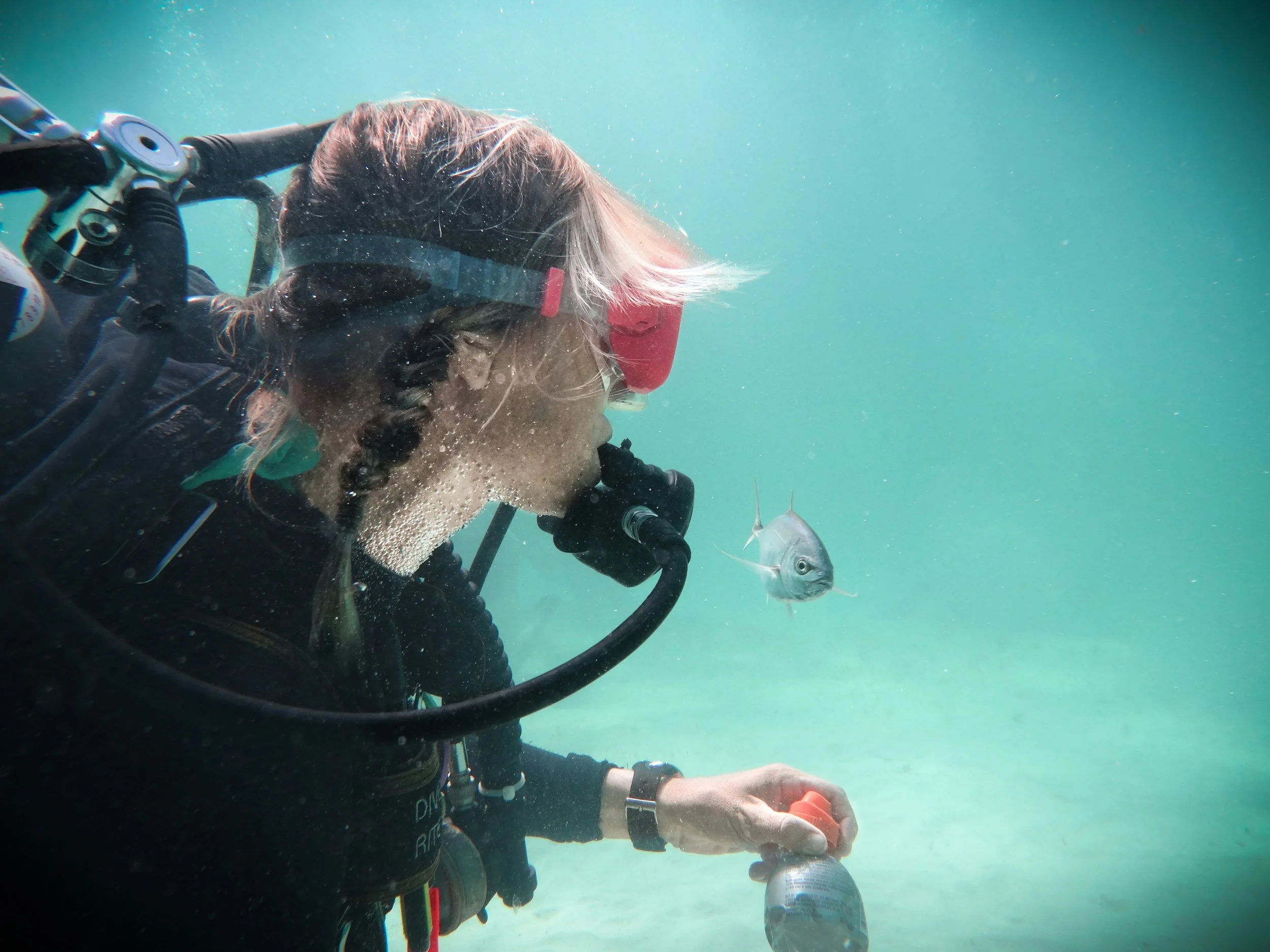
Get SCUBA certified and volunteer with important marine research or ocean clean up efforts
7. Bolivia
Think: A vibrant, high-altitude country that feels totally different from anywhere else.
Why it’s great for beginners: It's super cheap. The famous Salar de Uyuni (salt flats) tour is a guided trip where you meet loads of other travelers. It’s a great place to test your budgeting skills and see landscapes that look like another planet. Travel as a solo backpacker, or join a structured group program for on-the-ground support and peace of mind.
Vibe: Budget-friendly, unique landscapes, and colorful culture.
8. Montenegro
Think: Croatia’s cooler, less crowded neighbor. Massive mountains that drop right into the sea.
Why it’s great for beginners: The Bay of Kotor is stunning and very easy to manage. It’s small, affordable, and easy to hop a bus from place to place. Great hiking without the intense crowds of the French Alps.
Vibe: Coastal beauty, hiking, and Mediterranean chill.
9. Scotland's Outer Hebrides
Think: Wild, remote Scottish islands with incredible beaches (yes, really!), ancient history, and cozy pubs.
Why it’s great for beginners: It's part of the UK, so logistics are easy, and English is standard. The focus is on dramatic nature, friendly locals, and a safe, gentle pace of travel. You can road trip or cycle the islands easily.
Vibe: Cozy, dramatic landscapes, hiking, and a touch of magic.
10. Namibia
Think: Mind-blowing desert landscapes, huge sand dunes, and incredible wildlife safaris.
Why it’s great for beginners: It's considered very safe and politically stable. Travel is often done via organized, self-drive safaris or small group tours, making logistics easy for first-timers who want an epic road trip adventure.
Vibe: Epic road trips, stargazing, and unique desert wildlife
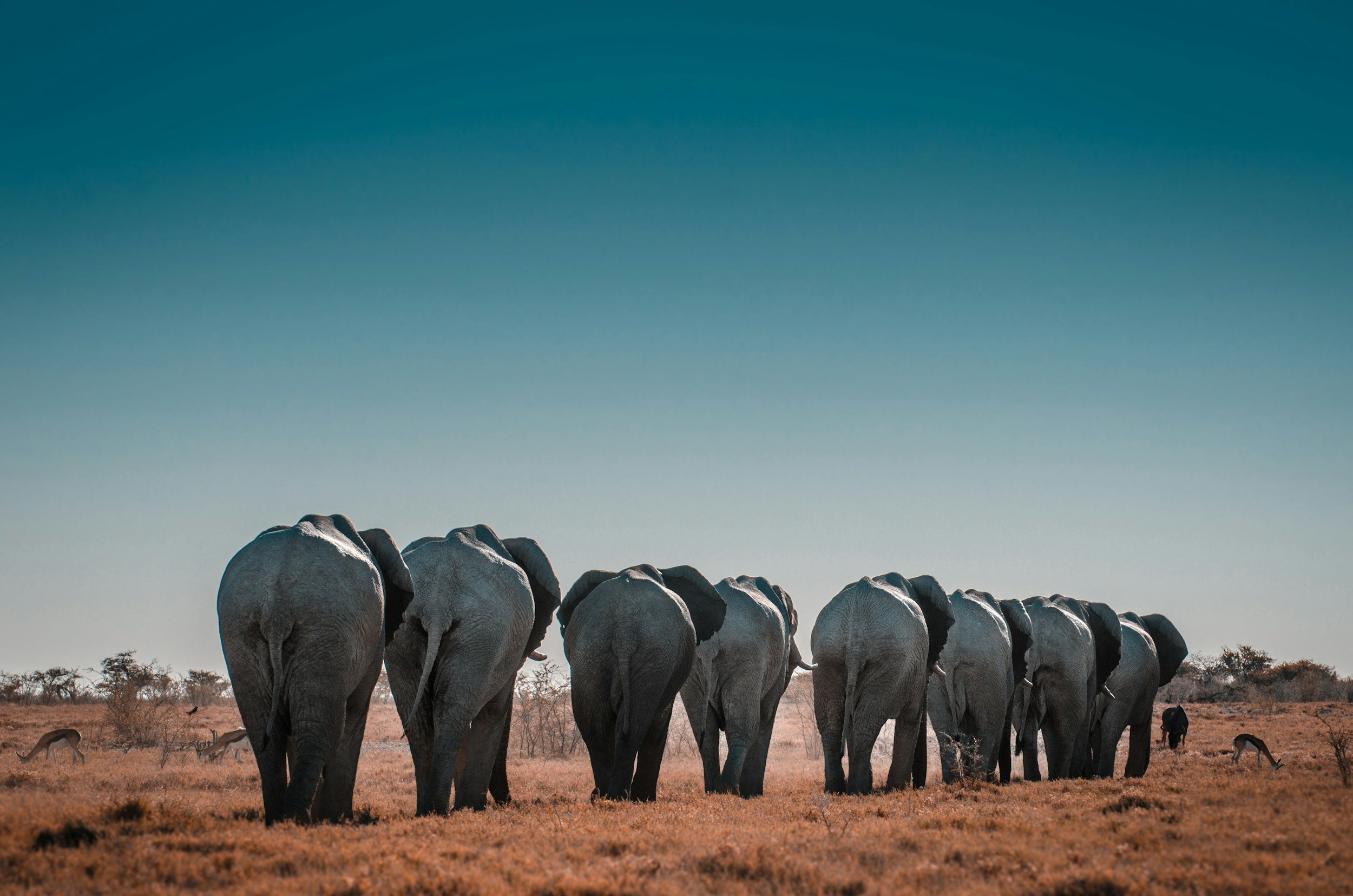
Parade of elephants in Namibia
Taking a gap year is a big step, but it doesn't have to be stressful. That’s where we come in.
At Free to Roam Adventures, we create custom gap-year plans that match your goals and give you the support you need.
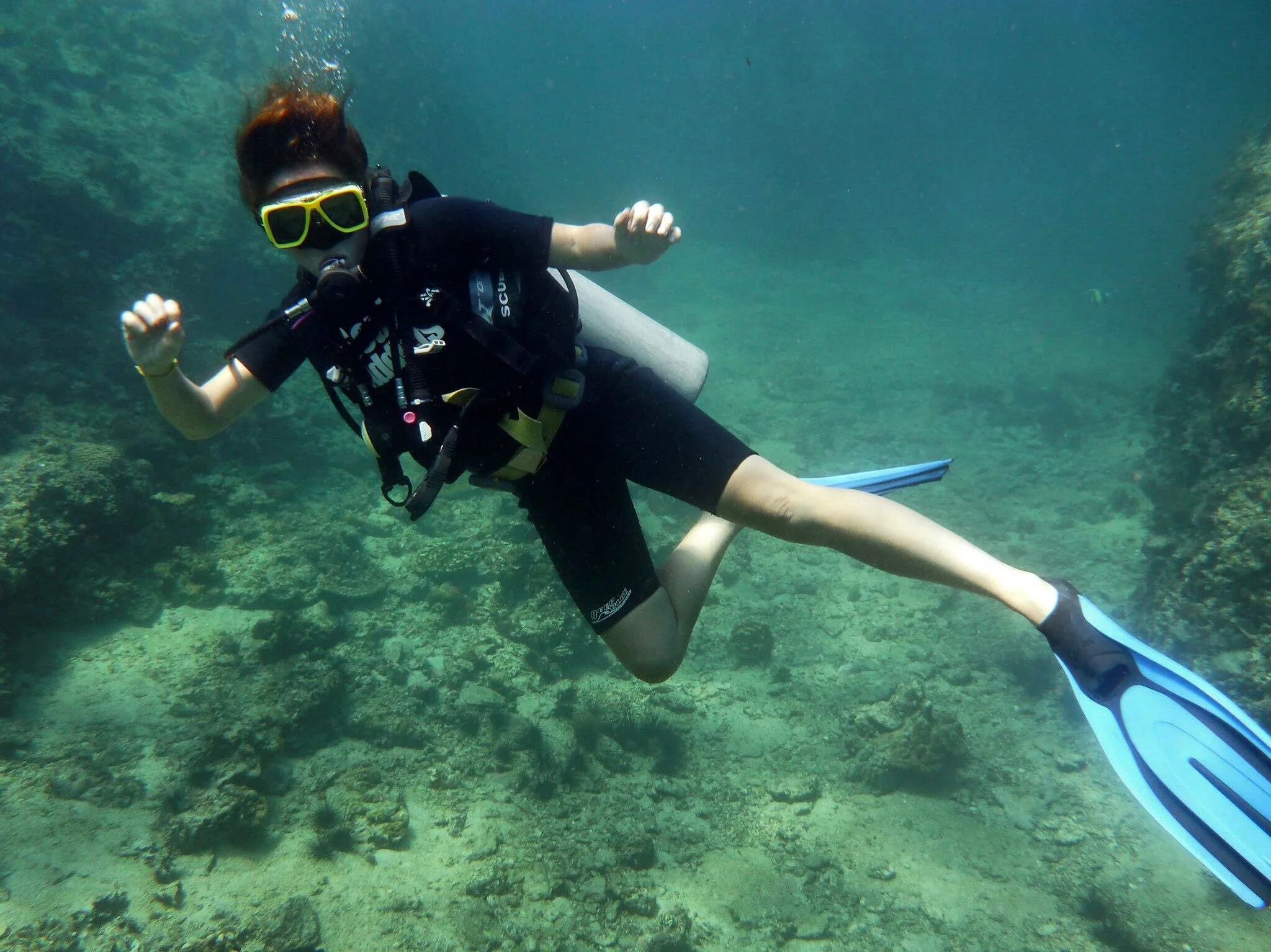
Susan is a seasoned gap-year consultant with 12 years experience supporting transformative gap years. A restless traveler and expert guide, she’s explored 49 countries—as a student, group leader, and solo adventurer—bringing firsthand insight into every itinerary. Susan blends practical know-how with an adventurous spirit to design gap years that are meaningful, and perfectly matched to each student’s goals and budget.
Ultimate Guide to Planning Your Dream Gap Year Adventure
How to start planning your gap year?
Begin by answering some key questions and brainstorming big picture ideas. Get out a piece of paper and find a place free from distractions to think. Spend at least 15 minutes answering these questions:
Why do you want to take a gap year?
If you could do anything what would you do?
Any places you dream of spending time during your gap year?
Do you have a timeline for when you’d like your gap year to begin & end?
Keep coming back to this brainstorming list for the next few weeks - months. Set aside 5-15 minutes per day to plan your gap year, either by brainstorming, researching opportunities online, or talking to people in your community who might support your idea. Hoping to become fluent in French? Talk to your French teacher. Want to explore the arts more in depth? Ask your art teacher about courses or studios to enhance your skills.

TIP: When researching opportunities online, make note of what specific activities or locations most interest you, in addition to program names and websites. You might find that a semester or year-long program that caught your eye is out of your price range, but you could replicate the parts of the experience that most interested you for a shorter time period or in a different location in a way that aligns with your budget.
Budgeting
Don’t put off thinking about your gap year budget for too long. You may find that you need to spend time working and saving to help fund your dream gap year. Have a conversation with your parents or caregivers about how much, if any, they might be willing to contribute to your gap year fund. Calculate how much you have saved, or how much you might be able to earn between now and when your gap year begins. Set up a spreadsheet with your gap year budget and itemized expense lines based on how you hope to spend your gap time.
6 weeks of Independent Travel in Europe:
Airfare $1,400
Lodging $2,700
Meals $1,300
Activities/Spending Money $1,400
Public Transportation $400
Passport $145
Travel Insurance $190
Total $7,535
2 month sustainability internship in Costa Rica:
Airfare & In-country transportation $750
Program Fee (Includes Accommodation & Meals) $1,400
Spending Money $400
Passport $145
Travel Insurance $120
Immunizations & Personal First Aid Kit $120
Total $2,935
It is possible to have a great gap experience, even incorporating some travel, on a budget. Advance planning can be especially helpful, as that gives you more time to save up for more expensive gap experiences later on. You might consider imbedding some work into your gap experience to continue saving up for a winter or spring experience. Opportunities for international paid work are fairly limited for gap year students, though some gappers might consider applying for a Working Holiday Visa for New Zealand or Australia. Work Away is a great way to travel on a budget by working a set number of hours per week in exchange for room and board.
Staying in hostel dorm rooms is great for budget travel, and also helps in meeting fellow travelers. Cooking your own meals in a hostel kitchen or dining at local markets or street food stalls is often a more budget friendly alternative to eating in expensive restaurants every meal.

For those keen to explore another part of the U.S. you might considering a gap year through an Americorps program such as NCCC, American Conservation Experience, or City Year. A service year is a great opportunity to build practical skills as part of a team engaging in meaningful service, develop leadership abilities, and potentially earn a Segal Education Award that can be used towards higher education expenses.
Destinations
Where you spend your gap year might depend on your goals and aspirations for your year. Are you hoping to become fluent in Spanish or Japanese? Do you want to spend part of your gap year engaging in a marine science internship or volunteer project? Does working at a ski resort and skiing or snowboarding on your days off sound like a dream gap year? Think about how locations relate to your interests and desired experiences when planning your gap year.

Tip: If you have family or friends that live in another part of the country or abroad, see if it is possible to link your gap year to their location. Having a local connection as a familiar face, emergency contact, or even a free - cheap place to stay can be a huge bonus.
You’ll want to consider the safety of any locations you might travel to. You can look at country profiles on the U.S. Department of State website, and view Traveler’s Health information provided by the CDC. Regardless of where you travel, you should always ensure that you have adequate health insurance and travel insurance to cover you in case of illness or injury during your gap year.
Structure & Support
You’ll want to spend your gap year doing things you enjoy in places that interest you, but you also want to ensure that those places and experiences offer you an appropriate amount of challenge and support. This is key for a successful gap experience. Ask yourself:
How comfortable am I venturing out in the world on my own?
Can I use my voice to be an advocate for myself?
How will I manage stressful situations?
If these questions make you feel anxious, or you feel that you might struggle to advocate for yourself or independently manage stressful situations, then you might opt for a more highly structured and supported experience to begin your gap year. Programs that incorporate a program leader or mentor can be a great start for students who don’t feel ready for an independent experience or would feel more reassured with additional support. You want to feel challenged during your gap year, but not challenged to the point that you become stressed and unable to cope. Talk with your parents or caregivers about what level of structure and support you might need.
Tip: It’s a good idea to begin the gap year with more structure & support and transition into experiences that allow for greater independence as the gap year progresses.
Want more advice on how to plan your dream gap year adventure? Check out the DIY Gap Year Toolkit. It includes: a 64 page workbook with engaging exercises to jumpstart your gap year planning; informative videos on The Foundations of the Gap Year, How to Set Gap Year Goals, Budgeting, Safety, and A Step by Step Guide for How to Launch Your Gap Year; Access to a Gap Year Opportunities List with over 100 different experiences to choose from; and a One-on-One Planning Session to workshop your Gap Year Plan with a professional gap year consultant.