
Travel has been one of my greatest teachers. Not just about geography or food or culture—but about myself. Every missed train, unexpected friendship, wrong turn, and quiet solo dinner shaped me in ways I never expected.
Here are six of the most meaningful lessons I’ve learned from traveling.
1. How to Manage Expectations and Deal with Disappointment
No trip ever goes exactly as planned.
Flights get delayed. Hotels look nothing like their photos. The “hidden gem” restaurant is closed on Tuesdays. Weather ruins the postcard-perfect view you imagined.
At first, disappointment feels heavy. But travel taught me something powerful: expectations are often the real problem—not reality.
When I started leaving space for unpredictability, everything changed. I learned to:
Replace rigid plans with flexible outlines
Focus on experiences instead of perfection
Ask, “What’s possible now?” instead of “Why isn’t this working?”
Ironically, some of my favorite memories came from “ruined” plans. The canceled tour that led to wandering local streets. The missed bus that introduced me to someone fascinating.
Disappointment isn’t the end of the story. It’s often the start of a better one.
2. How to Be Resourceful and Stick to a Budget
Travel quickly teaches you the value of money.
When you’re watching every dollar (or euro, or peso), you become creative:
Cooking simple meals instead of dining out every night
Walking instead of taking taxis
Finding free museums and community events
Choosing experiences over souvenirs
Budget travel isn’t about deprivation—it’s about intention.
I learned to ask:
Is this worth it?
What matters most today?
Where can I adjust without sacrificing joy?
Being resourceful builds confidence. When you can stretch a budget in an unfamiliar place, you start believing you can handle more than you thought.
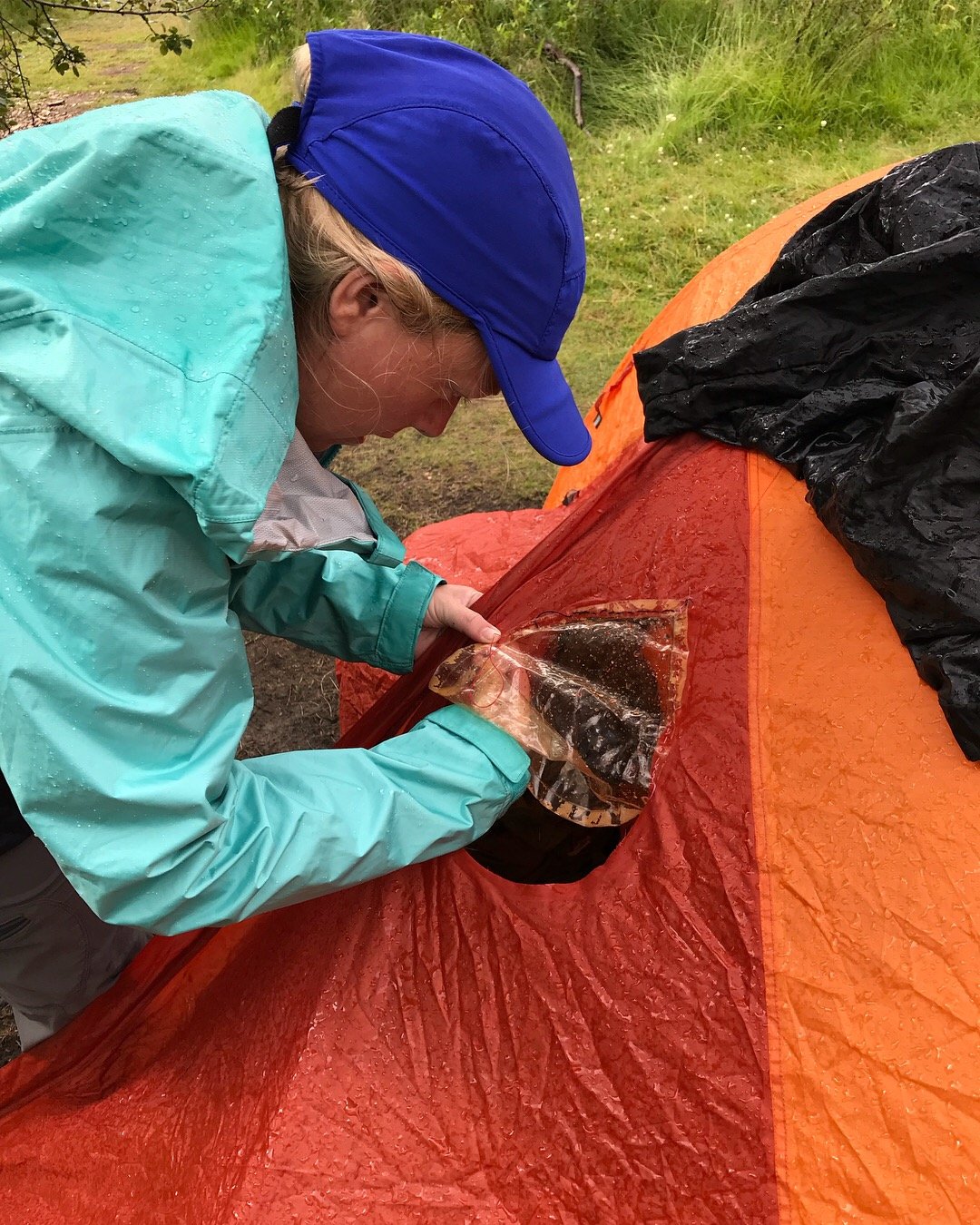
Repairing our tent on a backpacking trip in Iceland
3. How to Take Public Transportation
Public transportation used to intimidate me. I grew up in a small town with no public transit. My first time riding a metro was the summer after I graduated from high school.
Different languages. Different ticket systems. Different rules. One wrong platform and you’re headed the opposite direction.
But navigating buses, metros, and trains in unfamiliar cities forced me to:
Read maps carefully
Ask strangers for help
Stay calm under pressure
Pay attention to details
There’s something deeply empowering about figuring it out.
The first time I successfully navigated a complicated metro system alone, I felt unstoppable. Public transit isn’t just transportation—it’s a crash course in independence and adaptability.
4. How to Make New Friends
When you travel, you’re constantly outside your comfort zone. And that vulnerability opens doors.
You learn how to:
Start conversations with strangers
Share stories quickly
Find common ground across cultures
Listen more than you speak
Some friendships last an evening. Others last years.
Travel strips away small talk. When you meet someone on the road, you’re often meeting them in a raw, open, curious state. That creates connection faster than you’d expect.
I’ve shared meals with people whose language I barely spoke—and somehow we understood each other perfectly.
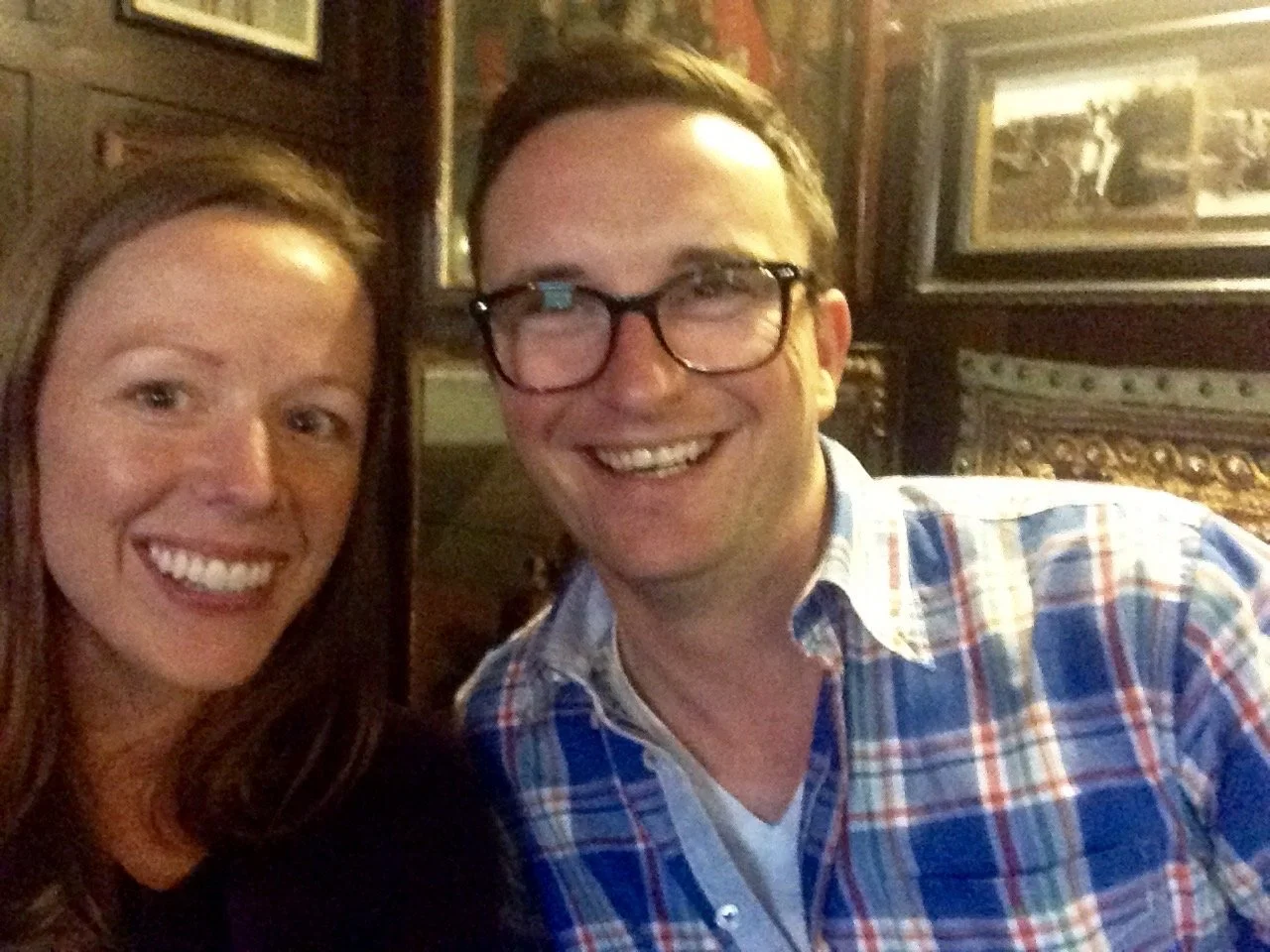
Jarda and I met when we were both in New Zealand on a working holiday in 2012. We got to catch up again in 2015 in London.
5. The Courage to Go It Alone
Solo travel is one of the most confronting—and rewarding—experiences I’ve ever had.
There’s no one to lean on.
No one to decide for you.
No one to fill the silence.
At first, it feels uncomfortable. Then it feels freeing.
Traveling alone taught me:
I can eat at a restaurant by myself
I can explore a city without a companion
I can solve problems independently
I enjoy my own company
Being alone in a foreign place forces you to trust yourself. And once you’ve done that, everyday challenges feel smaller.
Courage isn’t loud. Sometimes it’s just boarding the plane.
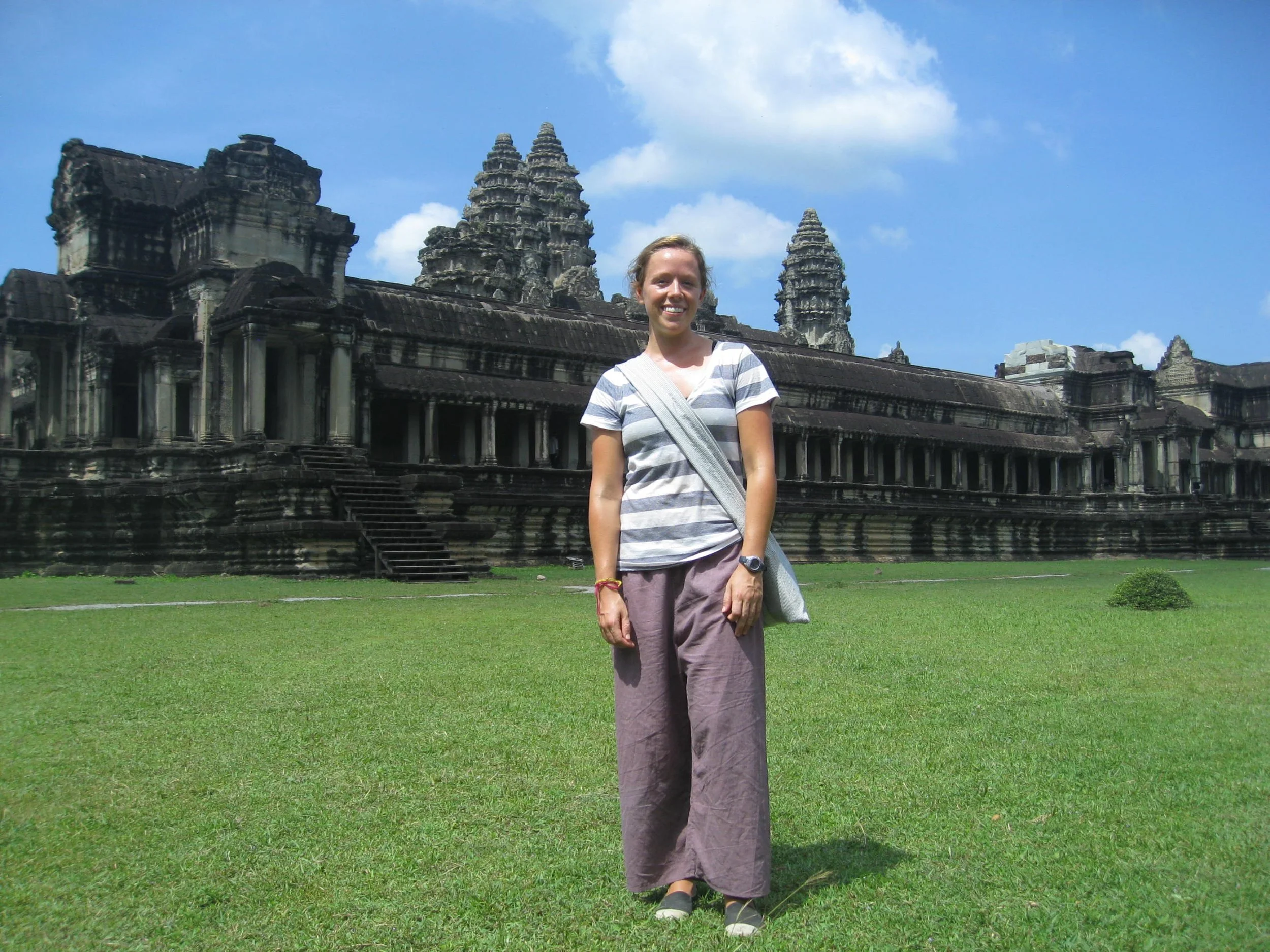
On a 3 month solo backpacking trip throughout SE Asia I met countless new friends and got offered a job leading gap year programs.
6. How to Manage Risk
Travel involves risk. Missed connections. Lost luggage. Unfamiliar neighborhoods. Health concerns. Uncertainty.
You can’t eliminate risk—but you can manage it.
I’ve learned to:
Research before arriving
Keep digital copies of important documents
Trust my instincts
Stay aware without becoming paranoid
Have backup plans
The goal isn’t fearlessness. It’s informed confidence.
Travel sharpened my judgment. It taught me to distinguish between healthy caution and unnecessary anxiety.
Final Thoughts
Travel didn’t just show me new places—it revealed new parts of myself.
It taught me flexibility when plans fall apart. Creativity when money runs tight. Confidence when I’m lost. Openness when meeting strangers. Bravery when I’m alone. Awareness when facing uncertainty.
And the most surprising lesson of all?
You don’t come back the same person who left.
Every trip leaves something behind—and brings something new home with you.