
Should I take a gap year?
Should I take a gap year? — I’ve been getting this question a lot lately. I'm not keen on "selling" students on the gap year because that kind of goes against what I think a good gap year is: allowing space for individuals to seek answers to their own questions; get comfortable with uncertainty; build confidence in knowing they can make their own choices; and learn to make mistakes and recover from them. Those are some huge life lessons that I believe help one to be successful and (more importantly) live a happy life. I am, however, an advocate of the gap year because of the powerful impact it had on my life, and the lives of hundreds of students I’ve worked with.
Deciding whether or not to take a gap year is a tough and somewhat scary decision. Graduating from high school is the first time in our lives when next steps aren't already laid out for us. It's OK to feel uncertain, and it's OK to not know exactly what you want to do with your life right now.
Uncertainty or anxiety about choosing a major or career is one reason to consider a gap year. College is expensive. Is it worth it? Absolutely! (I loved college so much that I went back for a master’s.) However, is it worth wasting a year or two (and all of that tuition $) trying to figure out why you are there, and possibly taking more than 4 years to complete a bachelor’s because you started before you were ready?

College will still be there in a year. A gap year won’t be the answer to all of life’s questions. But, if you make it a meaningful gap year, you will likely gain perspective and may find you feel alright with not knowing all the answers. An intentional gap year that allows you to gain real-world experience, get comfortable with uncertainty, and become more confident about your future could be worthwhile.
Maybe you know what you want to major in and have already pinpointed a career path, but just aren’t sure you’re ready for the independence college requires. Some gappers choose to take a gap year because they are young for their grade or haven’t spent much time away from home. A gap year is a good opportunity to learn important life skills, such as, cooking, budgeting, communication, building community (making friends), and learning resilience.

Some students choose a gap year because they recognize this transition period is one of the few times in our lives where it is relatively easy to hit pause and enjoy a year filled with adventure and learning new things through hands on experiences. Gap years later in life are possible, but often more logistically complicated. A gap year because you can — why not?
No matter your reason for considering a gap year, ask yourself:
What could I do next year to help prepare me for college?
Do I need to learn some basic life skills such as, doing my own laundry, getting myself up in the morning and out the door on time, or communicating effectively?
Could I use a gap year to gain some experience in fields that I’m interested in through an internship or shadowing someone whose profession interests me?
Make a list of things you could do during your gap year that makes you feel excited. Remember, a gap year is both a time to learn new skills and explore your interests and passions.

Some students and parents worry that a gap year will impact college plans. Research by the Gap Year Association shows that 90% of students who take a gap year return to college within one year. Not only that, students who took gap years earned higher GPAs than their non-gap year peers. 75% of gap year alum surveyed reported that their gap year helped them to get a job, and 84% said their gap year helped them to learn skills that allowed them to succeed in their career. Each year more and more colleges embrace the gap year as a positive experience for students. Harvard encourages all admitted students to consider taking a gap year.
Are there reasons NOT to take a gap year? Yes! While many offers of admission can be deferred, not all scholarships can be deferred for a gap year. Talk to your admissions officer to see if any scholarships or financial aid you have been awarded could be deferred for a gap year. Some students plan to use a gap year to reapply to schools that did not admit them previously. This is not a good reason to choose a gap year. There is no guarantee one will be admitted because of a gap year, and one risks losing their deferred spot if the school they committed to attending after the gap year finds out that they are using their gap year to apply to other schools.
If you'd like to chat more about gap year possibilities. I’d love to speak with you. Schedule a free introductory call with me here.
Josie's Semester in Central America
Guest post by gapper Josie, describing her semester in Central America during the fall of 2021
During the fall semester of my gap year I spent two months in Costa Rica and Guatemala. Both countries are equally stunning. Costa Rica was filled with beautiful beaches and incredible wildlife whereas Guatemala held rich culture and gorgeous volcanoes. I was able to learn a lot in both countries. In Costa Rica I was more focused on nature, environmental issues, and wildlife (specifically sea turtles). In Guatemala I took time to learn more about Mayan culture, the history of the country, and spent more time working on my Spanish skills.
Costa Rica
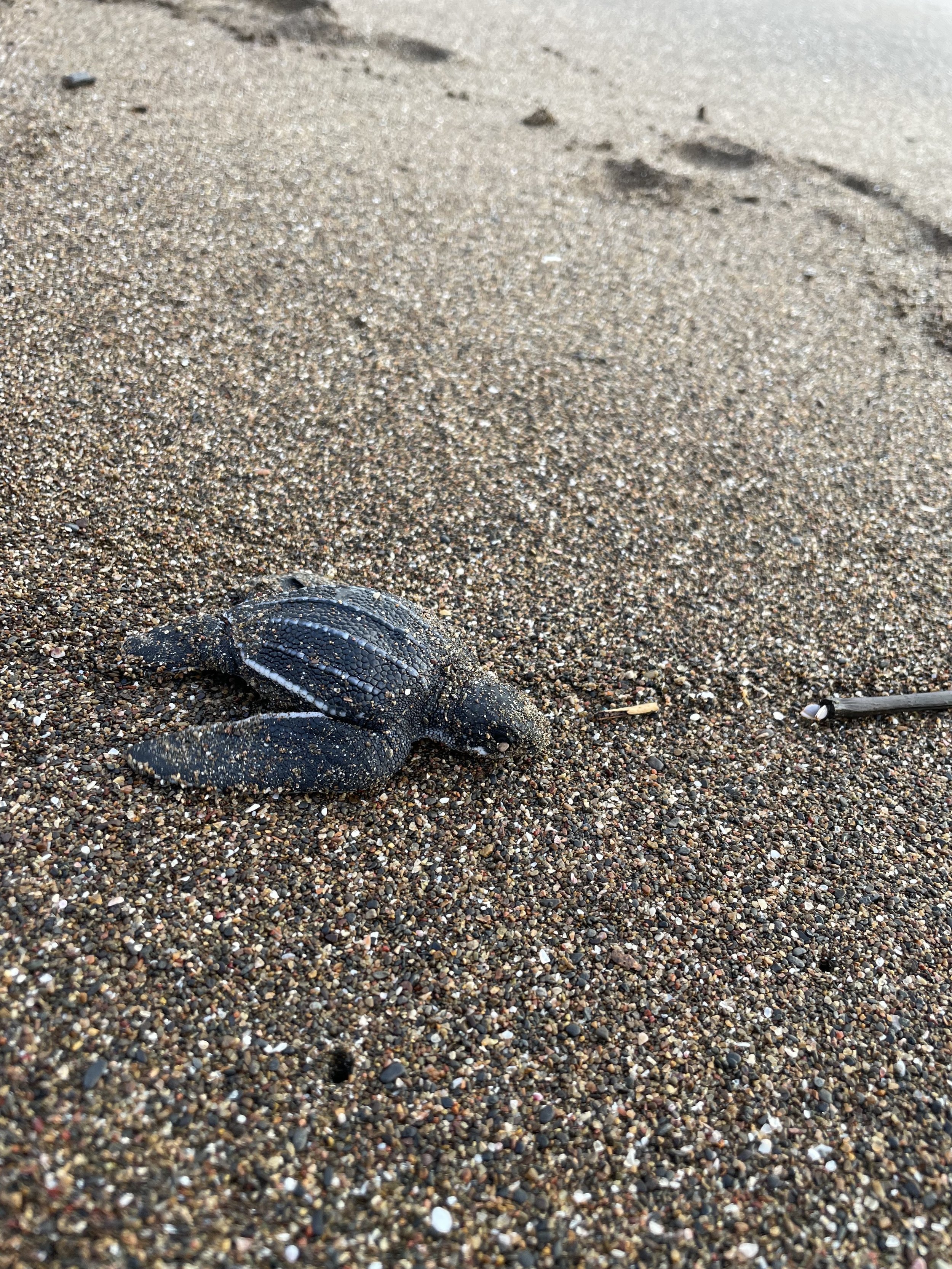
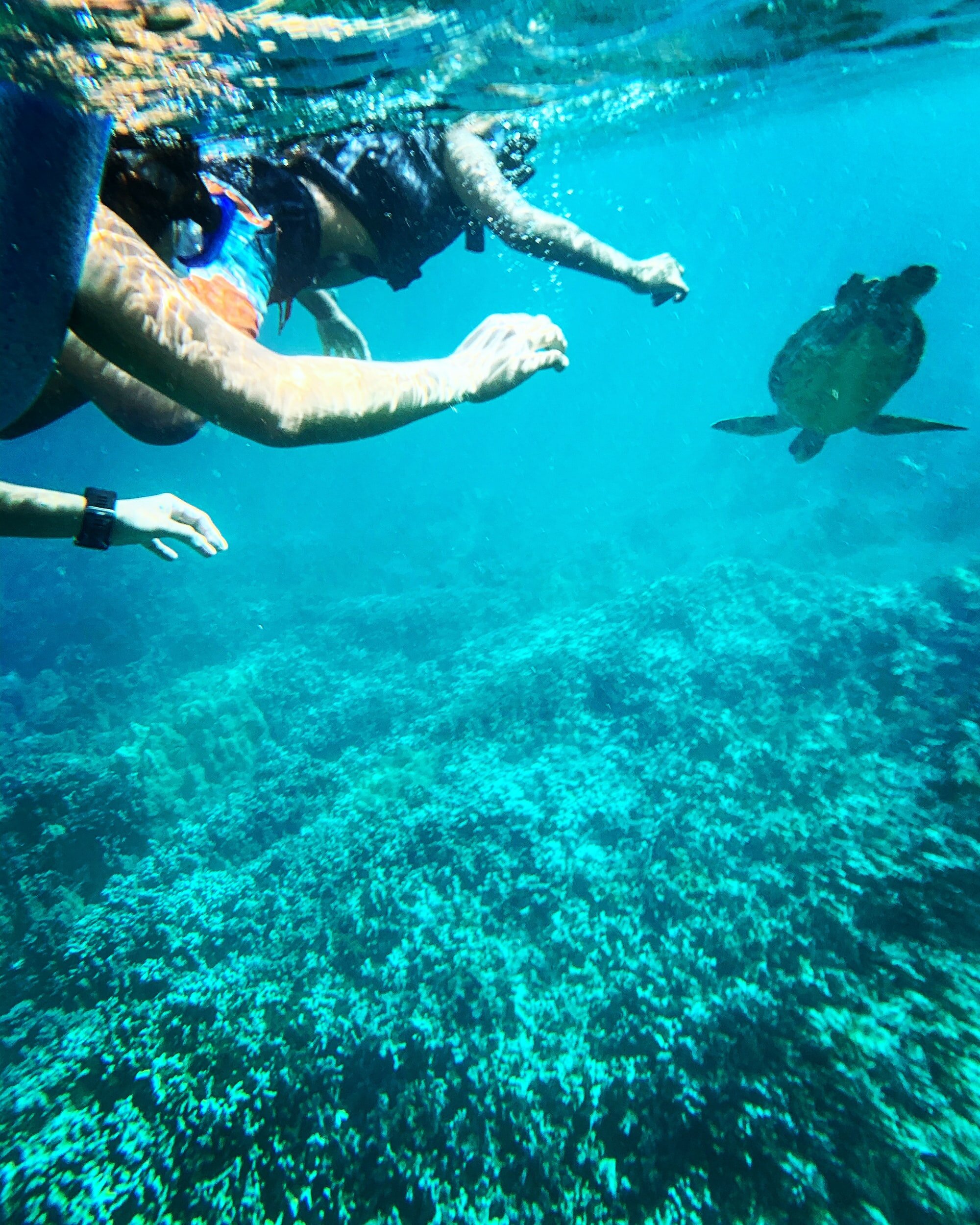
I spent six weeks in Costa Rica moving around the Pacific side of the country. I spent time in Santa Teresa, Montezuma, Samara, and Monteverde. I spent most of my time doing volunteer work (cleaning up microplastics on the beach, working in a recycling center, and working at sea turtle hatcheries). Plastic is a huge issue on the beaches in Costa Rica even though the country itself has moved to start banning all single use plastics. Trash is constantly washing up on the beaches and whenever I participated in beach cleans it was easy to fill up a large bag with plastic within only about fifteen minutes. For me this put into perspective the harsh reality of the materialistic lives that many people, including myself live. Now when I find myself in a grocery store or gas station, I cringe at the hundreds of plastic bottles and the plastic packaging lining the shelves knowing that they could very likely end up washing up in a beautiful place such as Costa Rica. Other than learning about the effects of plastics on the environment and cleaning them up off beaches, I also spent time taking Spanish classes, exploring the towns I was in, and taking in the beautiful landscapes laid out in front of me. Some of my all time favorite experiences in Costa Rica were getting to work up close with sea turtles. I spent time in two different turtle sanctuaries where I was able to help release baby sea turtles into the ocean and watch over the hatcheries. I even got to swim with an adult sea turtle! That is definitely a memory that I will cherish for the rest of my life.
Guatemala

I only spent about two and a half weeks in Guatemala but during that time I was able to have some of the most amazing experiences. In Guatemala I visited Antigua, Lake Atitlan, Flores, and Semuc Champey. Guatemala is the land of volcanoes. There are 37 volcanoes in Guatemala and I even got to hike up one. In my first few days I hiked Acatenango and after a seven hour uphill trek I was met with stunning views of Volcan de Fuego. When I say that this was one of the most amazing things I’ve ever seen I’m not exaggerating even a little bit. It was freezing and windy at our camp on Acatenango and even though the weather sounds miserable, there’s no way to be unhappy when you are sitting on top of one volcano while watching another one erupt every 15-20 minutes.
Throughout the rest of my time in Guatemala I was immersed in beautiful landscapes and an interesting culture. Guatemala holds some of my favorite memories such as swimming in Lake Atitlan at sunset with my friends, watching the sunrise over the volcanoes and Antigua from 12,000 feet up and meeting new people from all around the world. Near the end of my time in Guatemala, I spent five days solo in Antigua where I spent everyday wandering through the ruins and the city. I easily spent five or six hours a day just roaming around the city meeting new people, trying local restaurants and practicing my conversational Spanish skills with the locals.
Both Costa Rica and Guatemala were breathtaking countries and I’m extremely grateful for the time I was able to spend there. I not only learned about the environment, culture, and history but also about myself. One of my biggest goals in taking a gap year was to push myself out of my comfort zone and I would say that I definitely achieved that while I was in Central America. I found myself trying new things and encountering things that normally would have scared me on a daily basis such as snorkeling next to sharks, finding a Boa Constrictor in my room, climbing volcanoes, and much more. I pushed myself to take in every experience no matter how much it freaked me out because that’s the only way I was ever going to learn to find comfort in the uncomfortable experiences. Of course everyday wasn’t perfect, I had days where everything seemed to go wrong or where my mental health took a toll on me but by the end of two months I found myself almost embracing these discomforts. Not everything can be perfect, even when you feel as though you’ve woken up in paradise. Those discomforts and struggles were part of the journey and can’t be ignored when reflecting on my experiences because some of those experiences were just as important as the good ones. I believe that going into my trip to Central America, I had this idea that it could fix some things in my life or that it could fill in the gaps of what I felt as though was missing from my life. In some ways it did offer me relief, I found the importance of being grateful for every day and never taking anything for granted and I felt as though I was truly living everyday. On the other hand, I realized that even the most beautiful places and amazing experiences can’t solve every problem. I will always be grateful for my time in Costa Rica and Guatemala because as my first international travel experience, I feel as though I was able to learn a lot about myself while simultaneously learning about the world.

Antigua, Guatemala

Volcan de Fuego
Josie was the recipient of the 2021 Free to Roam Adventures Counseling Scholarship. Her budget for her two months in Central America was under $6,000. She was able to fund her travels through part-time work during and after high school. The deadline to apply for the 2022 Counseling Scholarship is April 2022.
NEW Virtual and Domestic Gap Year Programs for 2020
2020 has been a record year for the gap year as more students than ever before weighed the option of a virtual freshmen year or limited on-campus interaction with a COVID-style gap year. I consulted with more families than ever before from March - September. While not everyone decided that a gap year was the right choice for them, every one of the gap year students I ended up working with has declared that a gap year was the right choice. This fall I have had students participate in virtual gap year programs, in-person structured domestic gap year programs, as well as, DIY or “recipe” gappers who worked on electoral campaigns, worked to earn money, took a class, or volunteered close to home.
Virtual Gap Programs
A virtual gap year program at first seemed antithetical to the entire notion of a gap year, which has traditionally focused on experiential learning. However, program providers have developed some rich and engaging virtual options. These new virtual gap year programs offer students the opportunity to: participate in cultural exchange, language learning, and volunteer placement(s) with US-based non-profit(s); take part in workshops focusing on discerning one’s own values, goal setting, & developing creativity & confidence; hear from inspirational global change-makers, develop leadership abilities through a facilitated course, and form friendships with gap year students from around the world.
Learning to build community is one of the key takeaways I hope for students in their gap year experience, and one many of us have been desperately craving since the pandemic began. I’ve been impressed and inspired by student’s abilities to connect with peers in meaningful ways through virtual programs. One of my clients has taken part in book clubs, volunteered as an English teacher (virtually), and organized a virtual Halloween party with her cohort of gap year peers.
Many virtual gap year options are part-time, so students can combine a virtual program with other experiences, such as part-time work, volunteering, or an internship. A virtual gap program offers both social connection with other gap year peers, as well as, necessary structure and support from program mentors. Students can build around the virtual gap program to fill the remainder of their gap time with in-person experiences that align with their overall gap year goals.
While a virtual gap year program might not be the right fit for every student, they are an affordable, flexible option for students seeking connection and support during their gap time.


Domestic Gap Programs
Traditionally I’ve had very few students interested in a domestic gap experience, (despite my repeating how many WONDERFUL places there are to explore right here in the United States). As we all know, 2020 is not a traditional year. In addition to new virtual gap options, I’ve also seen many trusted providers pivot their focus to offer more domestic options, or offer domestic programming for the first time. Several providers that previously served only high school or college students developed gap programs to meet the increased demand for in-person alternatives to virtual college classes. It has been a busy season learning about all of these new and exciting gap year options!
In-person domestic experiences range from: residence based programs where students live together in a small pod and learn about a specific theme through hands-on experiences (ie. sustainable agriculture in NC or climate justice in OR); programs that involve some wilderness exploration while also focusing on topics such as culture and society along the Southern border or sustainability in Colorado or Hawaii; programs that are primarily wilderness based and focus on developing technical skills, such as, rock climbing, skiing, or backcountry backpacking; as well as, programs that are more travel focused and wilderness-lite where groups explores a region of the U.S. on a road trip visiting National Parks, having adventures with peers while supported by program leaders and developing new skills such as SCUBA certification and campfire cooking.
Many of these new domestic gap options involve some degree of wilderness experience. Some students hesitate at first when presented with a program that involves camping. I encourage students who are interested in the varied themes of a wilderness-lite gap program and committed to having an in-person experience to give it a go. The majority of 18 year olds have not spent much, if any, time in the backcountry, and providers don’t expect students to be wilderness experts. An open mind, a willingness to try new things, and occasionally get out of your comfort zone are the key prerequisites. Both while leading gap year programs overseas, as well as, this semester with my consulting clients I have heard multiple accounts from students who had never camped before, but now, as a result of their gap experience, plan to seek out more camping and wilderness experiences in the future.
Students returning from domestic in-person programs this fall report similar impacts to what I usually hear from students who travel abroad. Students had incredible fun, were challenged, learned to improve their communication skills, increased their maturity & independence, and forged meaningful relationships with their group mates and program leaders. Students and program providers have already managed to turn a challenging year into a growth-filled adventure. I look forward to continuing to support students as we deal with the challenges and adventures early 2021 may bring.
How to Write a Deferral Letter
In crafting their gap year deferral letter, students should come up with some achievable goals (at least 2-3) and ensure their gap year plan reflects those goals.
Be sure to lay out a clear plan for your gap time and provide specific programs or experiences you intend to participate in during your gap year.
Convey why gap time is important to achieving your goals. How will your gap year experiences be different from what you could experience or achieve with college classes?
I typically recommend students apply to college during their Senior year while they have the support of their college counselors and while peers are also applying to colleges. After accepting an offer of admission in the spring, students can request a deferral for a gap year. Some colleges have specific deferral policies for gap years and some schools evaluate deferral requests on a case by case basis. Students should contact their college or university’s office of admissions for specific instructions on the deferral request process and deferral deadlines. The Gap Year Association has a list of some schools that have official gap year deferral policies.
Most schools will ask that students submit a deferral letter outlining why they wish to defer their admission and what they intend to do during that time. When writing your deferral letter, there are a few things you should consider:
Share your Gap Year Goals
More colleges are warming to the idea of the gap year as they see the benefits of gap time embodied by former gap students. However, a successful gap year does not happen without some intentional planning and support. Students should come up with some achievable goals (at least 2-3) for their gap year and ensure their gap year plan reflects those goals. Highlight how those goals will help you to grow, as well as, allow you to contribute more to your campus community once you arrive on campus the following year.
Demonstrate you have a Solid Plan for your Gap Year
A gap year should be an intentional year of personal growth, exploration and experiential learning, not a wasted year of aimless wandering. Be sure to lay out a clear plan for your gap time and provide specific programs or experiences you intend to participate in during your gap year. These experiences might range from: organized gap year programs, service year experiences, volunteering, internships, skills based courses, non-credit academic courses, etc. Your plan may change slightly, and most colleges understand that. Your deferral letter should outline a feasible plan that closely resembles how you intend to spend your gap.
Why a Gap Year
Convey why gap time is important to achieving your goals. Are you burnt out academically and need a break from the classroom with some experiential learning opportunities? Did four years of high school Spanish classes not get your conversational abilities to the level you’d like them to be? Are you hoping to gain some real-world experience through an internship that will help you narrow down your choice of major? Show that you’ve spent time seriously thinking about how a gap year fits into your educational plan.
Here is an example of a gap year deferral letter —
Dear Office of Undergraduate Admissions:
I was elated to receive my offer of admission, as attending the University has been a dream of mine for as long as I can remember. As I got further into my Senior year though, I began to feel I might benefit from exploring other experiences outside of a classroom during this natural pause and transition phase of my life. I would like to request to defer my admission for one year so that I might pursue a gap year starting this fall.
After much consideration and research I have come up with a plan for how I hope to spend my gap year. During the fall semester I plan to participate in a language immersion program in Seville, Spain with SYE. I will live with a host family, take Spanish classes at a local language institute, and immerse myself in Spanish culture alongside a group of gap year peers. Becoming fluent in Spanish is an important goal of mine, and while I learned a great deal during my four years studying Spanish in high school, I know I could benefit immensely from an immersion experience. I plan to return home for the winter holidays and work a seasonal retail job before heading off for part two of my gap year. For the spring semester, I plan to participate in a three month internship with Tierra Viva, a sustainable development NGO in Northern Peru. At Tierra Viva I will be helping develop sanitation initiatives such as dry toilets and wastewater treatment projects. I am excited about this internship since I hope to join the school of engineering at the University, with a focus on sustainable systems. This internship will provide me with excellent real-world experience related to my intended major. Maybe it will even lay some groundwork for my future thesis project! After my internship I plan to utilize my Spanish language skills and independence gained during my gap year to backpack around South America for a few weeks to see some of the amazing historical and cultural sights the region offers. I plan to return home at the beginning of summer to work for a few months before moving to campus in August 2021.
I feel confident my gap year will equip me with valuable life skills and real-world experience that will not only help me to succeed at the University, but to be a more engaged scholar with a broader perspective so I can contribute more to my classes and the campus community. I hope that you will accept my deferral request and allow me to join the class of 2025.
Sincerely,
In the era of coronavirus, you might consider outlining a Plan B option as well. For the example above, Plan B for the fall might be:
In the event I am unable to travel to Spain this fall, I intend to take online Spanish classes offered through a local language institute, Clic, while volunteering with Conexión Américas, a local non-profit that serves Latino communities in my city.
You might have a cautiously optimistic approach to being able to travel overseas for the spring, but also mention a back up plan in the event you aren’t able to travel outside of the U.S. in 2021 by offering a domestic volunteer or internship opportunity. Show the admissions office that you are being responsible, realistic and nimble in your gap year planning!
It is not recommended that you mention online classes as a reason for wanting to defer your offer of admission. While the uncertainty surrounding this fall may drive more students to elect to consider a gap year, students and parents should explore gap year opportunities and arrive at the choice to take a gap year based on the many benefits and unique experiences a gap year can offer.
Looking for more free advice on the gap year?